LNG

After a record year for LNG project approvals in 2025, multiyear repairs to war-damaged liquefaction facilities in Qatar and the UAE threaten to slow the growth of global LNG capacity.

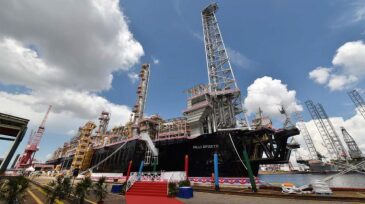
The Coral Norte FLNG is to be the mirror image of the Coral Sul unit, which shipped its first cargo in 2022 after it was put into service in Area 4 offshore Mozambique.
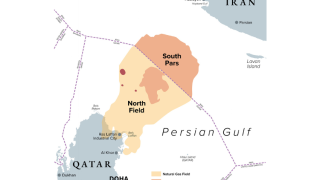
Barzan plant explosion that killed 13 and injured 66 occurred 2 days after production was restarted following a scheduled shutdown in December for routine maintenance.
-
 Although the FLNG concept has been around for decades, only three units are in the water and operational or under commissioning as of 2018. As the mitigation of technological risks is demonstrated, commercial risks become the focal point and the challenge to financing the capital-intensive projects.
 -
TechnipFMC confirms the December shipment of LNG from its new facility in northern Russia, one of the largest integrated LNG projects in the world.
-
Despite a dip earlier in the year, natural-gas prices remained steady over 2017, averaging $2.99/million Btu. … Early 2018 has been a different story, however, with natural-gas prices already hitting a couple of peaks (of greater than $5/million Btu according to the Henry Hub Spot Price history).
-
Offshore oil-exploration drilling and testing are key for the production of oil; however, a number of associated challenges, particularly the handling of associated gas, must be overcome.
-
ExxonMobil will lead the construction and operation of all future natural gas liquefaction and related facilities and assume midstream operations in Mozambique’s Area 4. Eni will continue to lead the Coral floating LNG project and all upstream operations.
-
The US Energy Information Administration reports that increased liquefaction and utilization from new facilities has led to a jump in LNG exports in 2017.
-
Total is making an LNG push by spending up to $2 billion for assets belonging to fellow French firm Engie.
-
A proactive approach with EPC contract bidders to front-end load HSE strategies will pay dividends. This paper discusses the HSE management strategy for the Lake Charles Liquefied Natural Gas project.
-
Add Energy has partnered with Transborders Energy and will work with TechnipFMC and MODEC to develop a 1.0-MTPA FLNG vessel for small-scale stranded fields.
-
Air Products, BHGE, Norsafe, and Sofec won contracts for Eni’s Coral South FLNG project in Mozambique.