LNG

Argentina’s President Javier Milei met with TotalEnergies CEO Patrick Pouyanné and Eni CEO Claudio Descalzi in Paris to discuss Argentina’s energy sector, including projects linked to the Vaca Muerta shale formation and the development of the Argentina LNG export project.

Shell has reached FID on LNG Canada Phase 2, a major expansion that will double the Kitimat facility’s LNG export capacity to 28 mtpa and strengthen long-term supply to growing Asian markets.
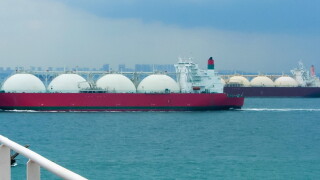
Increased capacity from new terminals and expansions drove up exports of liquefied natural gas at the quickest rate since 2016.
-
 DTEK has delivered its first US-sourced LNG shipment through Lithuania to supply Ukraine and neighboring countries this winter.
-
In lifting force majeure, TotalEnergies says it will restart construction on its Mozambique LNG project as soon as the government agrees to a revised budget and schedule that targets shipping first product in 2029.
-
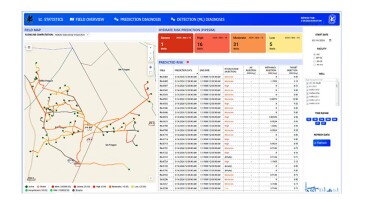
This paper discusses a comprehensive hybrid approach that combines machine learning with a physics-based risk-prediction model to detect and prevent the formation of hydrates in flowlines and separators.
-
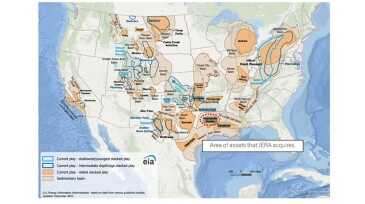
JERA joins Tokyo Gas as a player in the Haynesville as Japan targets the US Gulf Coast as key to building global LNG supply chains.
-
Liquefied natural gas (LNG) exporters in the US plan to more than double the country’s liquefaction capacity by adding an estimated 13.9 Bcf/D between 2025 and 2029.
-
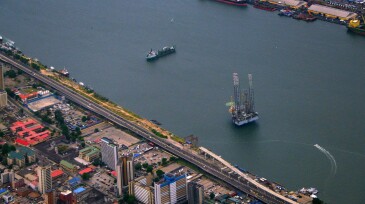
The joint venture with Nigeria's Sunlink Energies aims to deliver first production before 2030.
-
Mozambique is poised to become Africa’s third-largest exporter of liquefied natural gas when Coral Norte comes onstream in 2028.
-
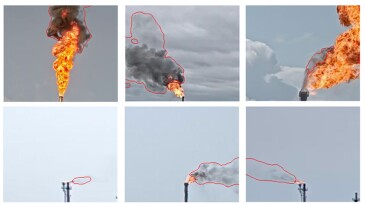
This paper focuses on developing a model that can be used in an automated, end-to-end flare-smoke detection, alert, and distribution-control solution that leverages existing flare closed-circuit television cameras at manufacturing facilities.
-
Angola expects an 18% rise in natural gas production by 2030 as global producers invest in offshore exploration and new field development.
-
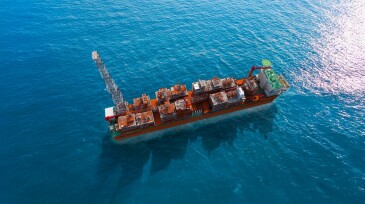
BW Opal FPSO has capacity for 850 MMcf/D of gas, which will be treated and sent on to the Darwin LNG facility, and 11,000 B/D of condensate, which will transferred via tanker.