Asset Management

Winners of Alberta's Drilling Technology Challenge cover a range of technologies from robotics to enhance drilling rig safety to AI-enabled energy management, downhole sensing, well navigation, hybrid power systems, and geothermal energy.

The transaction broadens the company's North Sea footprint with long-life assets that boost production and reserves.

Sponsored
Effective data analysis depends on seeing connections that matter. Explore how Spotfire enables a more intuitive approach to understanding petroleum data.
-
 The French producer has taken final investment decision on the deepwater Begonia field, plus natural gas and solar developments.
 -
ADNOC Drilling and ADNOC Logistics & Services have won the newest round of contracts to develop the mega sour-gas project that will expand the UAE’s production of LNG.
-
ExxonMobil awarded the consortium the project management, engineering, and installation of the estimated 190-km pipeline.
-
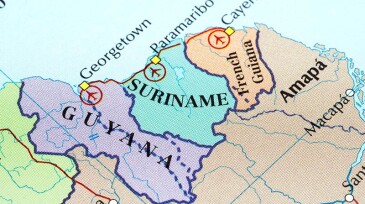
The discoveries bring the total number of its finds offshore Guyana to more than 25.
-
ExxonMobil LNG Asia Pacific will purchase 1.0 mtpa from Rio Grande LNG plant over a 20-year period.
-
Schlumberger, Subsea 7 alliance will supply and install a subsea boosting system in GOM field.
-
Second-quarter earnings for the three biggest oilfield service companies arrived with some new takes on where the market is headed.
-
First production from the UK North Sea gas field is expected in the second half of 2025.
-
While small modular reactors open doors to affordable, carbon-free nuclear power, they also raise new questions over waste disposal.
-
A new report shows that the offshore oil and gas sector is cautiously getting back to work, with some projects delayed and while EPC awards for sanctioned projects remain robust.