Asset Management

EY reports an 11% decline in reserve additions and the first sub-100% reserve replacement ratio since 2021, even as crude output climbed.

Superior seeks to expand its international footprint through the acquisition, which is reportedly valued at $1.2 billion.
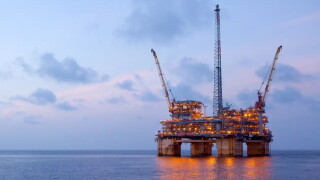
Shell is continuing to reshape its portfolio with the sale, which includes its interest in the BP-operated Na Kika platform and the Coulomb tieback.
-
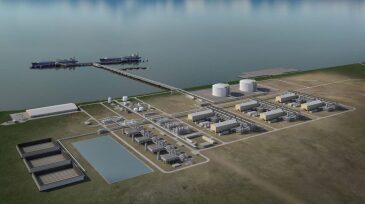
 A series of major advances will move Phase One of the Alaska LNG Project from the development phase into execution.
 -
The expansion project by QatarEnergy is expected to increase LNG production capacity to 142 mtpa when it goes online.
-
The Nasr-115 expansion project, within ADNOC’s larger Ghasha concession, is part of a development aimed at increasing capacity to 115,000 BOPD by 2027.
-
The NLR has released its 2025 US Geothermal Market Report, documenting 4 years of industry growth and providing policymakers and stakeholders with an updated overview of the US geothermal market.
-
Malampaya East discovery is estimated to hold 98 Bcf of gas and may help offset declines at the country’s only producing gas field.
-
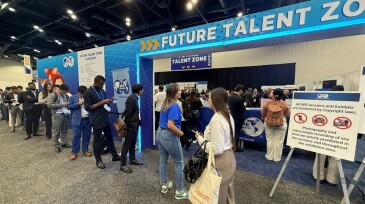
The Career Advancement Network held its 16th semiannual Energy Professionals Hiring Event at SPE’s 2025 Annual Technical Conference and Exhibition, allowing participants to connect with employers, explore opportunities, and seek information about job opportunities in a rapidly evolving industry.
-
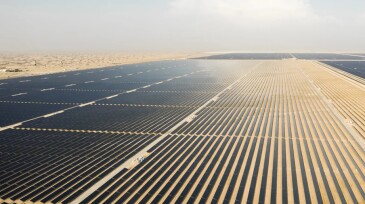
The report says the capacity of renewables in the region is set to grow tenfold by 2040 as electricity demand and new sectors drive rapid solar and wind expansion.
-
The acquisition adds 2.1 Bcf/D of production and pipeline infrastructure in Texas and Louisiana.
-
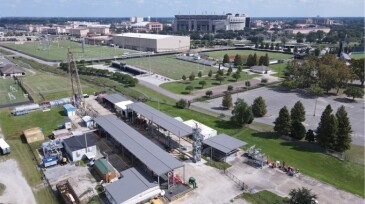
For more than a century, LSU has shaped petroleum engineering education, but few assets showcase its impact like the PERTT Lab. With six deep test wells and rare reservoir-depth gas-injection capabilities, the facility is helping drive breakthroughs in well control, carbon-dioxide injection, and next-generation energy technologies.
-
Woodside’s $12-billion gas project offshore Western Australia is expected to produce up to 8 mtpa once it’s complete.