Asset Management
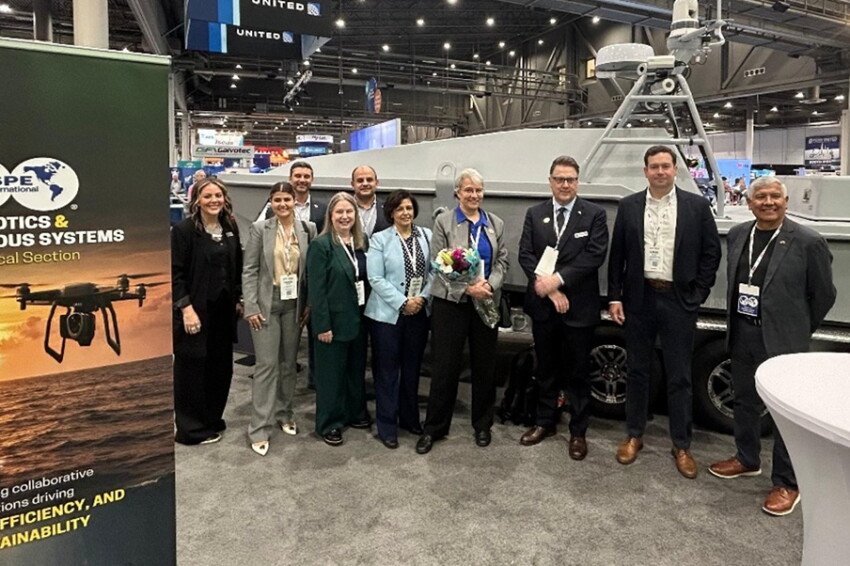
This article from the SPE Robotics and Autonomous Systems Technical Section (RASTS) explores the insights shared at the recent Offshore Technology Conference (OTC) in Houston about autonomous systems and their role in the industry's future.
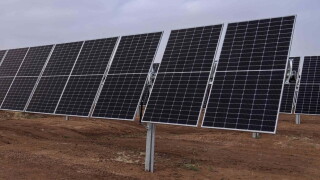
The Pinnington project in North Texas is the company’s largest solar project in the state and brings Repsol’s renewable energy generation capacity in the US to greater than 2 GW.

The technology has passed its first phase of qualification, with 84 nodes placed on the seafloor at a depth of 2,000 m to acquire 4D seismic data in the pre-salt Santos Basin.
-
 With negotiations dead on arrival with Russian independent major Lukoil, Iraq is asking Gazprom to take over development of the Nasiriyah oil field south of Baghdad.
 -
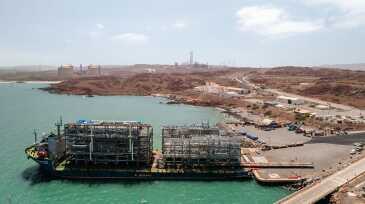
The Scarborough energy project is targeting first LNG cargo in 2026.
-
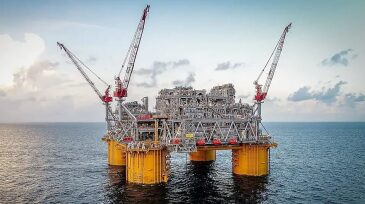
Deepwater US Gulf field is now pumping hydrocarbons back to the Appomattox platform.
-
The largest project to date will add a capacity of 250,000 B/D starting in 2025.
-
The Australian oil and gas company said the new commitments underscore its goal to achieve net zero Scope 1 and 2 emissions by 2040.
-
The work covers integrated well construction services for the Búzios field off Brazil.
-
Houston-based Chord is set to see its daily output increase to a basin-leading average of 287,000 BOE/D.
-
The EPCI contract scope includes 20K-psi-rated subsea tree systems.
-
The North Sea Transition Authority has previously said failure to invest in platform electrification could threaten future production rights.
-
Sage Geosystems said it will use the new equity funding to build a geopressured geothermal system by year's end.