Mature fields

With confidence in subsea boosting performance growing, BP is incorporating pumping systems into both greenfield developments and brownfield expansions.

At the inaugural SPE/ICoTA Asia Pacific Well Intervention and P&A Conference and Exhibition in Kuala Lumpur, industry leaders highlighted how high-fidelity well data, real-time diagnostics, and predictive technologies are reshaping intervention planning and execution to improve well performance, reduce risk, and optimize late-life asset management.

Sponsored
With operators under pressure to deliver more energy with fewer resources, predictable drilling performance is more important than ever. Discover how a unified digital workflow can turn drilling data into better decisions and consistent execution—providing the foundation for autonomous drilling and more predictable, profitable, and productive wells at scale.
-
 The first wells from the current North Sea development project are expected online in 2026.
 -
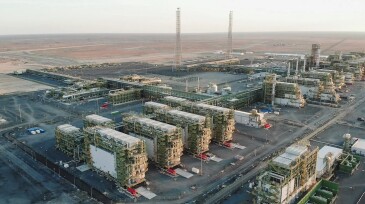
The $48.5-billion investment aims to keep the 30-year-old project in western Kazakhstan flowing for years to come.
-
This paper provides insights into the technical and economic viability of repurposing oil and gas wells for geothermal energy production for direct heating.
-
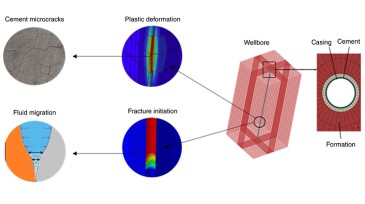
This paper discusses and evaluates retrofitting abandoned petroleum wells for geothermal applications as a commonly proposed solution to meet the challenge of the capital expenditure required for drilling and completion.
-
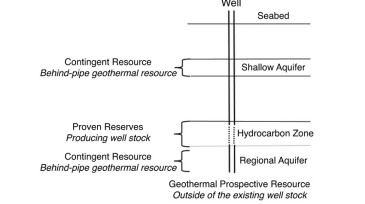
This paper provides an overview of a geothermal assessment project completed to assess geothermal energy resources in and around an operational high-pressure/high-temperature field on the UK Continental Shelf.
-
Once considered as being on the brink of abandonment, aging reservoirs are proving to be valuable assets as innovative hydrocarbon recovery techniques and re-envisioning of these fields for decarbonization opportunities are transforming them into reservoirs of opportunity.
-
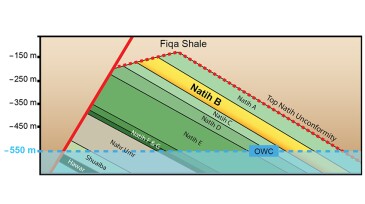
The authors of this paper develop an integrated technical approach that can be used to unlock one of the largest undeveloped resources in an operator’s portfolio.
-
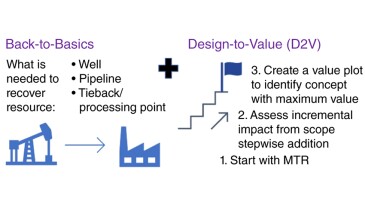
This paper describes a revamped methodology for field-development strategy formulation, particularly for marginal hydrocarbon resources, by shifting the mindset toward designing with an aim to value in order to improve project viability.
-
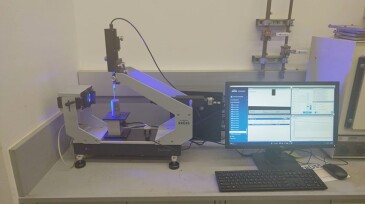
This paper adds to ongoing research in hydrogen storage, focusing on efficient extraction of hydrogen to be stored potentially in depleted unconventional formations.
-
Cemvita and ChampionX are launching a pilot project next year to turn an old oil field into one that may yield tons of hydrogen each day.