Midstream

Barzan plant explosion that killed 13 and injured 66 occurred 2 days after production was restarted following a scheduled shutdown in December for routine maintenance.

ExxonMobil and QatarEnergy’s MoU with Cairo to monetize Cyprus’ offshore Glaucus and Pegasus natural gas supports Egypt’s strategy to become the Eastern Mediterranean’s leading gas processing and LNG export hub.
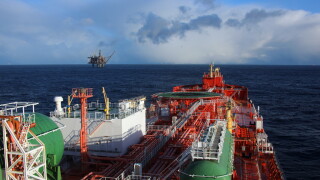
Still flowing nearly 40 years after startup, Gullfaks recently delivered its 5,000th cargo of sweet, low-sulfur crude to Sweden, underscoring how Equinor’s aging shelf assets continue to support Europe’s energy supply.
-
 The $8-billion pipeline project has been held up for years, but amid a historic price crash, the Canadian government is stepping in with funding to support exports.
 -
Westcoast Energy revised its inspection practices following the 2018 incident. Its model used to predict crack growth did not take into account all uncertainties
-
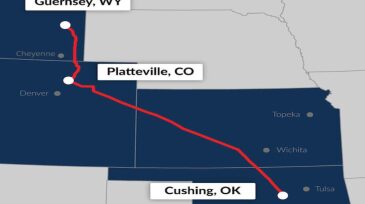
The transaction is expected to close in March. The Liberty Pipeline runs 700 miles between Cushing, Oklahoma and Guernsey, Wyoming.
-
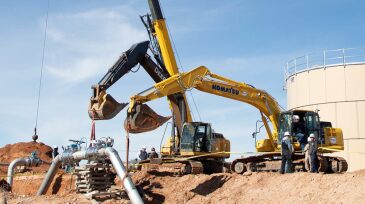
TC Energy is planning to start mobilizing heavy construction equipment to worker campsites and pipeline storage sites in Montana, South Dakota, and Nebraska in February to start preconstruction work on the Keystone XL Pipeline.
-
After a planned acquisition of Goodnight fell through, private equity firm Tailwater Capital is boosting its total investment in the water midstream company to more than $500 million. Goodnight recently signed five long-term contracts with producers in the Delaware Basin and the Bakken.
-
The deal sees Energy Transfer gain, among other assets, various crude and natural gas liquids pipelines running from the Denver-Julesburg and Anadarko Basins.
-
The deal sees H2O Midstream increase its produced water gathering network to more than 435,000 B/D of disposal capacity and 190 total miles of pipeline. The Permian water midstream company will add more than 40,000 B/D of recycling capacity with the option to double that capacity over time.
-
Calgary-based Pembina Pipeline Corp. has entered into agreements to acquire Kinder Morgan Canada Ltd. and the US portion of the Cochin Pipeline system from Kinder Morgan for a total purchase price of approximately $4.35 billion.
-
A joint-venture agreement gives Solaris control of Concho’s produced-water infrastructure in New Mexico, and Lagoon Water Solutions closed on a deal with Continental in Oklahoma.
-
The Permian gets the lion’s share of attention when it comes to produced water, but other basins have a need to haul volumes off-site. How has the market changed in these areas recently? Is there a greater enthusiasm for pipelines, and can water midstream thrive?