Midstream

Barzan plant explosion that killed 13 and injured 66 occurred 2 days after production was restarted following a scheduled shutdown in December for routine maintenance.

ExxonMobil and QatarEnergy’s MoU with Cairo to monetize Cyprus’ offshore Glaucus and Pegasus natural gas supports Egypt’s strategy to become the Eastern Mediterranean’s leading gas processing and LNG export hub.
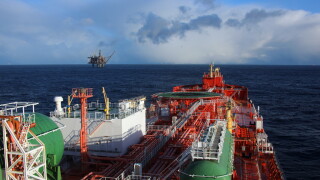
Still flowing nearly 40 years after startup, Gullfaks recently delivered its 5,000th cargo of sweet, low-sulfur crude to Sweden, underscoring how Equinor’s aging shelf assets continue to support Europe’s energy supply.
-
 TransCanada’s $8 billion Keystone XL pipeline may face another 8 months of delay after a court ruling raised issues with a 4-year-old environmental review.
 -
A decision by the US District Court in Montana deals a blow to the TransCanada project, which is designed to transport heavy crude from Alberta to Nebraska.
-
With new projects scheduled to come on line later this year, the region, which mostly comprises states along the US Gulf Coast, will shift from being a source of natural gas supply to a source of growing demand.
-
RDS, a KCA Deutag division, and Kavin Engineering and Services entered into a strategic alliance to jointly pursue design and engineering projects across the upstream and midstream oil and gas market. Last month, KCA Deutag agreed to form a joint venture with SOCAR.
-
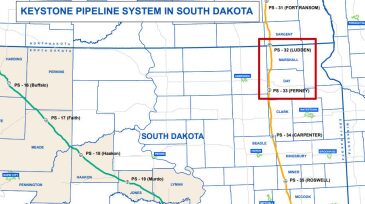
Weights used in the original construction of TransCanada’s Keystone Pipeline in South Dakota were identified as a preliminary cause of the failure that resulted in a 210,000-gal spill in November.
-
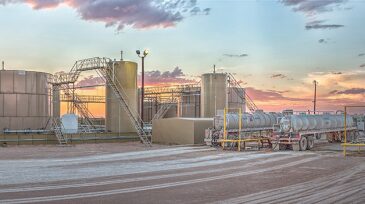
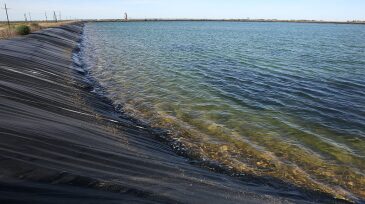
Rising oil production in the Permian Basin has created an opportunity for midstream companies to acquire and expand pipeline infrastructure to handle a predicted spike in produced water.
-
The demand for water and disposal services in the Permian Basin has piqued the interest—and investments—of companies eager to acquire existing pipeline infrastructure and saltwater disposal facilities to capitalize on the growing need.
-
In a recent acquisition, H2O Midstream will own and operate Encana’s produced-water gathering system in Howard County, Texas, and will expand it to also serve third parties.
-
While the collapse in oil price is reshaping opinions about the North American shale revolution and the outlook for oil producers, natural gas producers in the United States are in a somewhat different position
-
Adapting to the New Normal in Oil and Gas Construction: How the Market Will Endure Growing PressuresIn February, President Obama vetoed legislation that would approve the construction of TransCanada’s Keystone XL Pipeline. The 7-year regulatory saga is emblematic of the regulatory and public relations burdens on US energy projects. With the rejection of the bill, the burden will grow.