

Midstream

As Egypt’s largest oil and gas investor, Eni is ramping up its 2026–2027 drilling campaign with new investments cross the Mediterranean offshore, Nile Delta, Western Desert, and offshore Sinai to strengthen the country’s role as a regional gas and LNG export hub.

The deals, with a potential value exceeding $3.7 billion, are aimed at strengthening Saudi Aramco’s supply chains and expanding its use of industrial artificial intelligence.
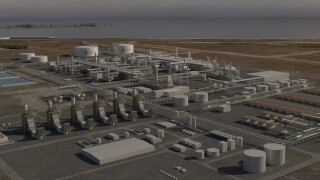
ExxonMobil’s Letter of Intent to begin preliminary engineering and procurement work for Mozambique’s Rovuma LNG project bridges the development to a final EPC contract, which Area 4 partners are expected to award following an FID anticipated by year-end 2026.
-
 Williams' acquisition of Momentum Midstream creates a larger, more connected Gulf Coast gas network capable of meeting surging demand from LNG export facilities, power generators, and industrial users.
 -
Barzan plant explosion that killed 13 and injured 66 occurred 2 days after production was restarted following a scheduled shutdown in December for routine maintenance.
-
ExxonMobil and QatarEnergy’s MoU with Cairo to monetize Cyprus’ offshore Glaucus and Pegasus natural gas supports Egypt’s strategy to become the Eastern Mediterranean’s leading gas processing and LNG export hub.
-
Still flowing nearly 40 years after startup, Gullfaks recently delivered its 5,000th cargo of sweet, low-sulfur crude to Sweden, underscoring how Equinor’s aging shelf assets continue to support Europe’s energy supply.
-
Caturus Energy’s platform integrates upstream assets from the Haynesville and East Texas basins with downstream liquefaction and export terminal facilities on Louisiana’s Gulf Coast.
-
War‑related infrastructure damage is beginning to influence global energy supply chains in ways that could reshape project development and capacity growth.
-
While Uzbekistan has seen a significant drop in flaring, methane leaks from deteriorating infrastructure continue to reveal themselves to satellites in space.
-
War-related damage to oil and gas facilities is expected to disrupt global supply chains for years, as backlogs for critical equipment continue to grow, Rystad Energy reports.
-
Despite a 2.8% drop in liquefied natural gas exports in 2025 because of lost market share in China, Australia anticipates a 2026 rebound as new North West Shelf capacity comes online. Meanwhile, East Coast operators brace for a tsunami of wells entering the decommissioning pipeline and potential energy shortfalls necessitating LNG imports.
-
Engineering, procurement, construction, and installation awards made at the end of 2025 are expanding Saipem’s role in Turkey’s two largest offshore gas fields, plus Saudi Arabia’s Berri, Abu Safah, and Marjan oil fields and Qatar’s North Field gas giant in the Persian Gulf.




Page 1 of 16