Midstream

Barzan plant explosion that killed 13 and injured 66 occurred 2 days after production was restarted following a scheduled shutdown in December for routine maintenance.

ExxonMobil and QatarEnergy’s MoU with Cairo to monetize Cyprus’ offshore Glaucus and Pegasus natural gas supports Egypt’s strategy to become the Eastern Mediterranean’s leading gas processing and LNG export hub.
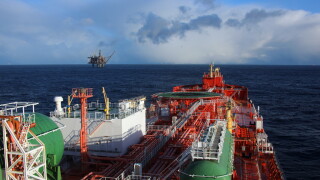
Still flowing nearly 40 years after startup, Gullfaks recently delivered its 5,000th cargo of sweet, low-sulfur crude to Sweden, underscoring how Equinor’s aging shelf assets continue to support Europe’s energy supply.
-
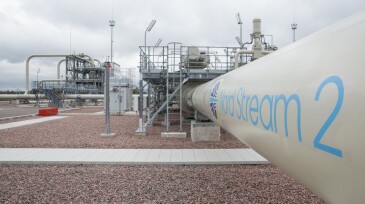
 A week after its certification was halted, the company managing the Gazprom-operated pipeline has let go its staff and says its website has been attacked.
 -
The Canadian Government has stopped funding the Trans Mountain Pipeline, whose future will depend on private investors.
-
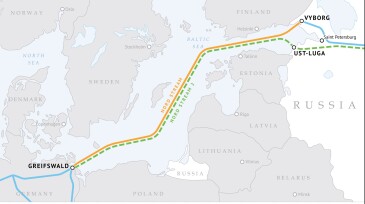
The pipeline project was completed in September but whether it will flow is now as uncertain as ever as both Germany and the US seek to shut the project down.
-
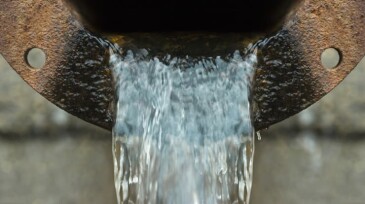
The companies will leverage each other’s experience and assets to offer full-cycle water-handling services in West Texas.
-
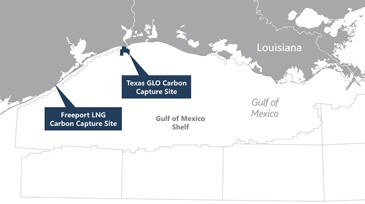
The new project will use EnLink’s existing pipeline infrastructure and Talos’ newly acquired 26,000-acre sequestration area.
-
The facility will be a commercial-scale CO2 sequestration hub in the DJ Basin.
-
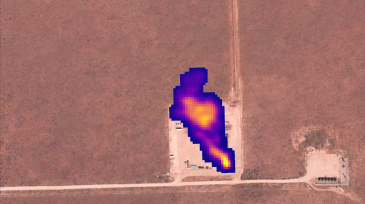
EDF and Carbon Mapper find more than two dozen facilities producing the same near-term climate pollution as about 500,000 passenger vehicles.
-
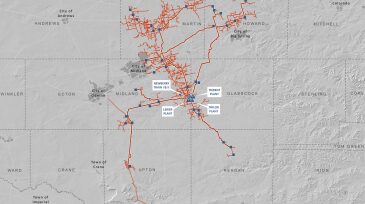
The acquisition gives Enterprise’s natural gas and NGL business an entry point into the Midland Basin.
-
Over the past 30 years Caspian nations such as Azerbaijan and Kazakhstan have built thriving economies on oil and gas wealth led by global energy companies and a handful of megaprojects. As times change, that model may need to be reassessed.
-
Eight-year project to replace key Canada-to-US crude oil pipeline completed.