Onshore/Offshore Facilities

While Uzbekistan has seen a significant drop in flaring, methane leaks from deteriorating infrastructure continue to reveal themselves to satellites in space.

Analysts weigh near‑term risks for Middle East oil and gas producers after a tentative 2‑week ceasefire between the US‑Israeli coalition and Iran.

The North Sea project, which is sending production to the nearby Ivar Aasen platform, came online 9 months ahead of schedule.
-
 The state-owned firm is looking within its home country, around Southeast Asia, and to the Americas—including shale—in an effort to maintain its forecast average yearly production of 1.7 million BOE/D over the next 5 years.
 -
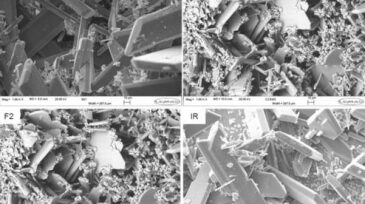
The chemical reactions creating buildups of scale that can clog a well can be replicated in a chemical lab, but researchers are finding many more variables on the surfaces of pipes that need to be considered.
-
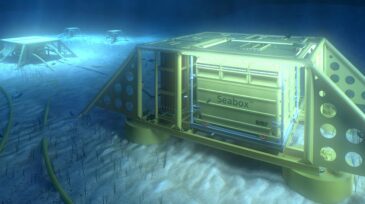
Operators are looking for ways to better handle water coming from subsea wells, which is typically treated at topside facilities. Subsea separation systems are not equipped to discharge water back into the reservoir, so how do companies close the gaps?
-
The US Department of Energy authorized the export from the terminal’s fourth liquefaction train to countries that have no free trade agreement with the US.
-
According to a report published by the Government Accountability Office, the Transportation Security Administration employs only six full-time staffers for its pipeline security branch.
-
Louisiana state granted a tax incentive to LNG Ltd. for its Magnolia project in Lake Charles. Although a beneficial development, it’s a drop in the bucket in the company’s progress toward FID.
-
The decision may alleviate some of the pressures oil and gas producers faced in the wake of their imposition last year. Canada and Mexico made up a combined 20% of US imports of oil country tubular goods in 2017.
-
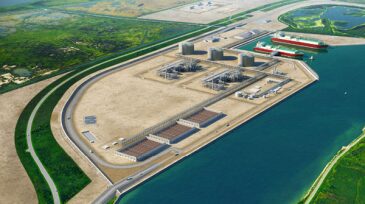
The deal with project developer Sempra includes Saudi Aramco netting 5 mtpa of LNG offtake and a 25% equity stake in Phase 1 of the export terminal, which may reach FID later this year.
-
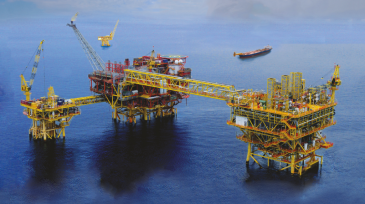
Unmanned minimum facility platforms are a reliable alternative to traditional wellhead platforms or subsea installations, and the technologies enabling simpler designs have evolved.
-
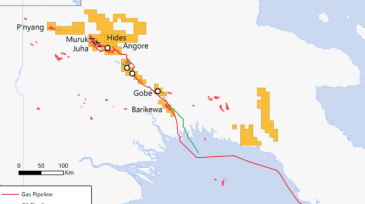
Santos signed a binding letter of intent to acquire a 14.3% interest in Petroleum Retention License 3, which contains the P’nyang natural gas field in Papua New Guinea.