Onshore/Offshore Facilities

The deal includes Waygate’s inspection portfolios and is expected to close later this year.

While Uzbekistan has seen a significant drop in flaring, methane leaks from deteriorating infrastructure continue to reveal themselves to satellites in space.

Analysts weigh near‑term risks for Middle East oil and gas producers after a tentative 2‑week ceasefire between the US‑Israeli coalition and Iran.
-
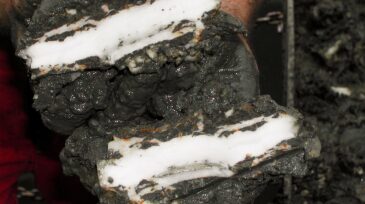
 The 9th International Conference on Gas Hydrates featured discussions on key advancements in flow assurance, including the concept of risk management and anti-agglomerates being applicable strategies in transient operations.
 -
McDermott and CB&I will form a vertically integrated onshore-offshore construction and engineering services provider. Other deals include Jacobs Engineering Group acquiring CH2M and the expected close by year end of the Schlumberger and Weatherford OneStim JV.
-
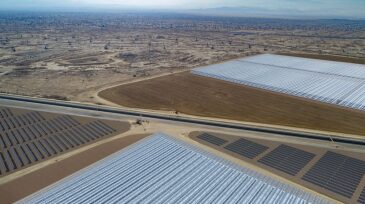
If proven economic, solar EOR technology could represent an environmentally and energy friendly solution for California’s heavy oil producers.
-
ExxonMobil will lead the construction and operation of all future natural gas liquefaction and related facilities and assume midstream operations in Mozambique’s Area 4. Eni will continue to lead the Coral floating LNG project and all upstream operations.
-
The US Energy Information Administration reports that increased liquefaction and utilization from new facilities has led to a jump in LNG exports in 2017.
-
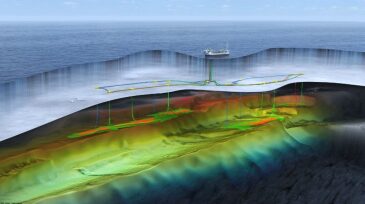
Statoil has submitted a long-awaited development plan for what will become Norway’s northernmost development.
-
Decommissioning experts in the UK examine the advantages and disadvantages of removing offshore installations vs. leaving them in place, discussing cost efficiencies, environmental factors, and long-term risks.
-
The overarching theme of work published during the past year relating to production and facilities is performance and productivity improvement—doing more with less at a lower cost.
-
The digitalization of oil and gas facilities is becoming a new technical arena. Effective solutions can be used to convert data into information and knowledge, which can then be used to improve maintenance operations.
-
The complete paper holds that traditional facilities-planning methodologies, heavily based on design-basis documents and biased toward the most-conservative conditions, fail to recognize the entirety of operational conditions throughout the oilfield life cycle.