Onshore/Offshore Facilities

The deal includes Waygate’s inspection portfolios and is expected to close later this year.

While Uzbekistan has seen a significant drop in flaring, methane leaks from deteriorating infrastructure continue to reveal themselves to satellites in space.

Analysts weigh near‑term risks for Middle East oil and gas producers after a tentative 2‑week ceasefire between the US‑Israeli coalition and Iran.
-
 Mitigation of flow-assurance problems continues to drive new production-technology applications and approaches. The three papers highlighted here focus on minimizing costs while providing safe, effective, and reliable operations.
 -
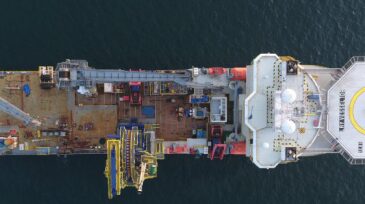
McDermott announced a letter of award for a contract from Reliance Industries for the deepwater KG-D6 subsea field development in the Krishna Godavari Basin.
-
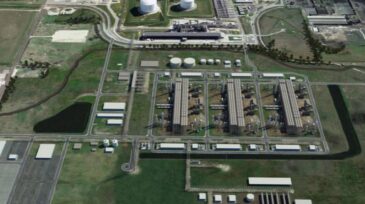
A proactive approach with EPC contract bidders to front-end load HSE strategies will pay dividends. This paper discusses the HSE management strategy for the Lake Charles Liquefied Natural Gas project.
-
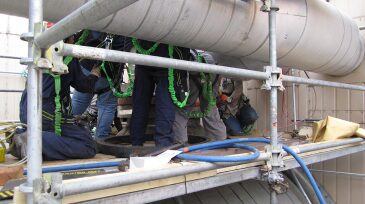
During the dismantling and removal of fire-water-pump columns of superduplex stainless steel barely 1 year after plant startup in a redeveloped brownfield offshore Nigeria severe localized pitting corrosion was observed in the columns. This paper explores the findings and identifies the reasons.
-
The circular economy approach to decommissioning brings a new perspective that considers reuse and regeneration as critical aspects to be considered along with other matters from the earliest stages of designing and constructing assets.
-
Add Energy has partnered with Transborders Energy and will work with TechnipFMC and MODEC to develop a 1.0-MTPA FLNG vessel for small-scale stranded fields.
-
The demand for water and disposal services in the Permian Basin has piqued the interest—and investments—of companies eager to acquire existing pipeline infrastructure and saltwater disposal facilities to capitalize on the growing need.
-
A BP flow assurance manager explains a methodology for determining and mitigating flow assurance risks.
-
This article highlights some of the code and registration issues the Savvy Separator engineer encounters when retrofitting a vessel with internals to improve or restore the process performance of the separator.
-
Decom North Sea has developed the Late Life Planning Portal system, a web-based information portal, to capture tools that add value as well as good practices and lessons learned from the execution of decommissioning projects.