Onshore/Offshore Facilities

War‑related infrastructure damage is beginning to influence global energy supply chains in ways that could reshape project development and capacity growth.
Sulzer and JSIL are teaming up to provide the service for oil and gas, power generation, and industrial operations.

The deal includes Waygate’s inspection portfolios and is expected to close later this year.
-
 Lessons learned by the members of the SPE Separations Technology Technical Section, representing more than 250 years' experience, are presented so that the same mistakes are not repeated in the future.
 -
Computational fluid dynamics modeling has proven promising for improving scrubber performance.
-
Bypass pigging has advantages over conventional approaches. Its application to multi-phase flow with high wax content crude is discussed.
-
Douglas-Westwood (DW) expects the expenditure of subsea vessel operations to begin a gentle upswing after next year.
-
In its fifth year, the Separations Technology Technical Section has grown to more than 1000 members. The new section chair provides his perspective on what the future holds.
-
Failure of a dry-gas seal in the compressor can result in plant outage and considerable revenue loss to the operating company. This paper discusses design considerations to minimize risk of failure.
-
While the collapse in oil price is reshaping opinions about the North American shale revolution and the outlook for oil producers, natural gas producers in the United States are in a somewhat different position
-
There is no shortage of ideas for reducing the cost and risk of offshore oil and gas developments. The hard part is implementing them in an industry where they require changes in long-standing habits, corporate cultures, and some new technology.
-
The global industry is feeling the pain of the oil price plunge, but the UK feels it more acutely. Exploration drilling is at rock bottom levels, the offshore UK Continental Shelf is one of the world’s most expensive from which to produce a barrel of oil, and investment spending is expected to fall.
-
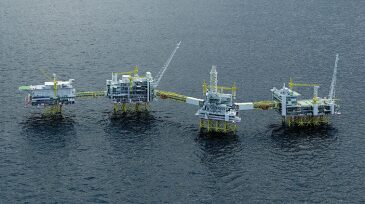
Statoil is going to work to put its enormous Johan Sverdrup discovery into production, showing that even one of the most explored parts of the North Sea still has significant potential.