Onshore/Offshore Facilities

This paper presents a flexible, highly cost- and energy-efficient method of gas separation and CO₂ capture from many different gas mixtures with a large range of CO₂ concentrations.

This work introduces a novel predictive methodology combining historical metocean data with real-time riser analysis for shallow water dynamically positioned rig operations.

This paper introduces channel stacking, a novel and efficient methodology designed to significantly improve optical gas imaging-based leak detection.
-
 The strategic buyout of Portugal’s Galp is ADNOC’s first investment in Mozambique as it continues to grow its lower-carbon LNG portfolio.
 -
Brazil’s ANP extends BW Energy’s contract for the deepwater field from 2031 to 2042, and BW plans to further develop the field.
-
Plugging operations are scheduled to begin early 2026.
-
The shallow-water subsea tieback to the Jupiter platform is expected to produce about 250 MMcf/D of gas at peak.
-
Ginger is among the 10 upstream projects that BP plans to bring on-stream by 2027 after resetting its strategy to raise oil and gas investments to $10 billion per year.
-
SLB will use artificial intelligence-based software to help ensure the delivery of 18 ultradeepwater wells.
-
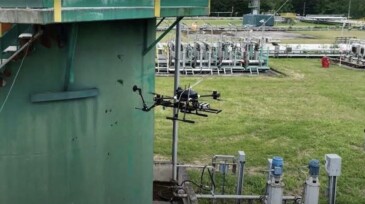
A robotic arm, camera system, and virtual reality helped EniProgetti and University of Naples researchers overcome the major challenges of direct-contact nondestructive testing using a drone.
-
Launch of development drilling marks a new milestone as Romania aspires to become EU’s largest gas producer.
-
US LNG exports to Asia rose from 3.1 Bcf/D in 2023 to 4 Bcf/D last year.
-
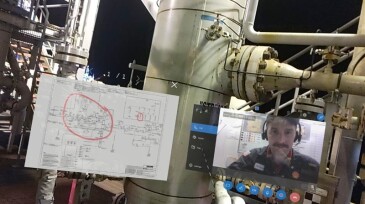
Shell’s combination of digital worker technologies enables collaborative troubleshooting and inspections while reducing travel and boosting efficiency.