Onshore/Offshore Facilities

Equinor and its partners’ investment in the Troll West Increased Gas Recovery North (TWIN) project aims to unlock around 11 Bcm of additional natural gas from the Troll field, with first production targeted as early as 2028.

The US supermajor will use Permian Basin natural gas to support the hyperscaler’s AI business.

The Coral Norte FLNG is to be the mirror image of the Coral Sul unit, which shipped its first cargo in 2022 after it was put into service in Area 4 offshore Mozambique.
-
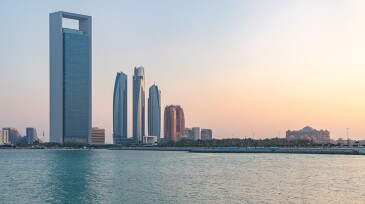
 More than 40 years since its discovery, a hot and stubborn gas reservoir offshore Abu Dhabi has been tamed.
 -
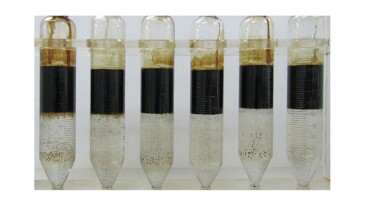
This work investigates a cost-effective and sustainable alternative to acidification for sheen control.
-
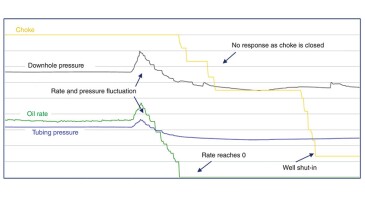
The authors of this paper discuss how intelligent completions in the Gulf of Mexico have allowed for increased production, reduction in operating expenses, enhanced overall reservoir recovery, and improved safety and environmental performance.
-
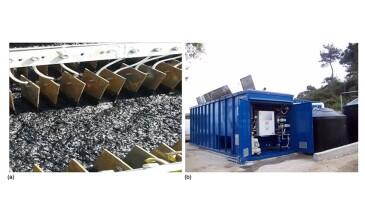
The paper aims to address the challenges and opportunities in managing produced water and its contaminants in the petroleum industry.
-
The new partnership assets include pipelines in Pennsylvania, Ohio, and West Virginia serving the Marcellus and Utica shales.
-
The deal expands ONEOK’s gas transmission and processing footprint in the Permian, Louisiana, and Oklahoma.
-
The plan calls for developing a gas field, CCUS, and onshore compression, with first production expected in 2028.
-
This paper reviews decommissioning and abandonment in Nigeria, looks at candidate identification strategies, breaks down the methods and best practices involved, and examines the requirements for openhole and cased-hole abandonment.
-
Operator also announces plans to deploy continuous, real-time detection equipment at all its operated upstream sites, including GranMorgu, by the end of 2025.
-
Carnarvon basin job will be McDermott’s largest decommissioning project to date.