Onshore/Offshore Facilities

The latest edition of ISO 20815 extends the petroleum industry's production assurance and reliability management framework to carbon capture, hydrogen, ammonia, and wind assets.
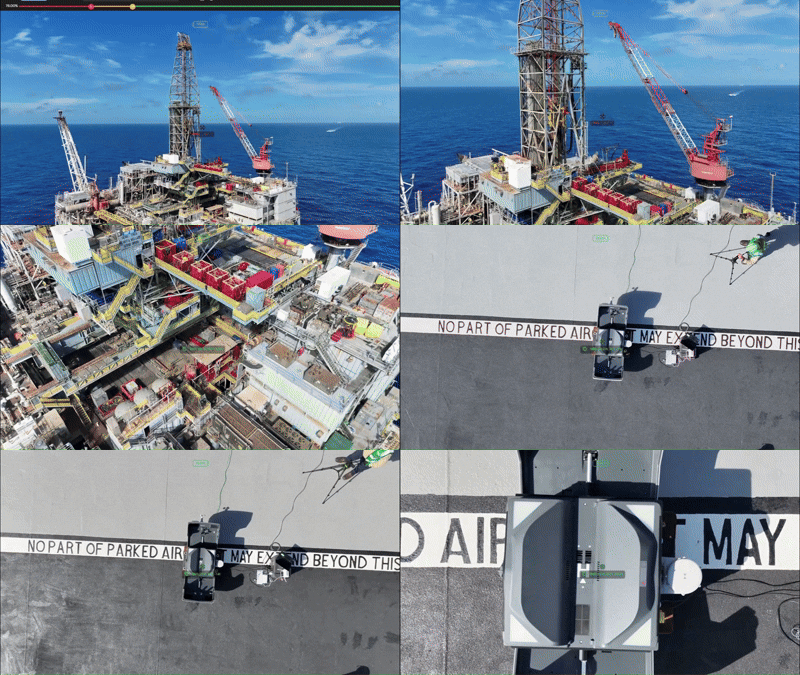
Shell has demonstrated drone-in-a-box operations from its Mars floating production unit, becoming the first operator in the region to secure FAA approval for self-approved offshore beyond-visual-line-of-sight flights. JPT Senior Technology Editor Jennifer Pallanich visited Shell Technology Center Houston to see the system in action.
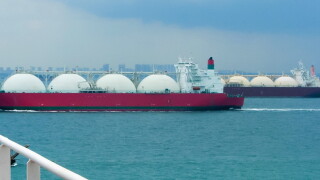
Increased capacity from new terminals and expansions drove up exports of liquefied natural gas at the quickest rate since 2016.
-
 US EIA data show exports rising from 0.5 Bcf/D in 2016 to 15 Bcf/D in 2025, positioning the US as the world’s largest LNG exporter with further capacity growth expected next year.
 -
The Granat prospect on the Norwegian Continental Shelf may be developed with a subsea tieback to existing infrastructure.
-
The planned facility was designed to process 34 MMcf/D of associated gas into fully refined gasoline.
-
The awards build on Tenaris’ role in earlier phases of the ultradeepwater Black Sea project.
-
Suspended by force majeure since the spring of 2021, work on the Mozambique LNG project has restarted with over 4,000 workers now engaged onshore and offshore to meet a 2029 deadline for first LNG.
-
Shell CEO Wael Sawan said Nigeria’s improving investment climate is boosting its appeal for long-term oil and gas investment.
-
An earlier deal to double Israel’s gas exports to Egypt led to approval of Leviathan’s Phase 1B expansion by guaranteeing long-term cash flow to finance the project.
-
Marking a major milestone as the Gulf of Mexico’s second 20,000-psi deepwater development, the project underscores how advanced high-pressure technology, management of flow challenges, and the floating production system’s role as a regional hub are helping open the door to more Inboard Wilcox development.
-
The company's CEO says Europe’s third-largest oil field is entering a natural decline phase.
-
Despite a 2.8% drop in liquefied natural gas exports in 2025 because of lost market share in China, Australia anticipates a 2026 rebound as new North West Shelf capacity comes online. Meanwhile, East Coast operators brace for a tsunami of wells entering the decommissioning pipeline and potential energy shortfalls necessitating LNG imports.