Onshore/Offshore Facilities
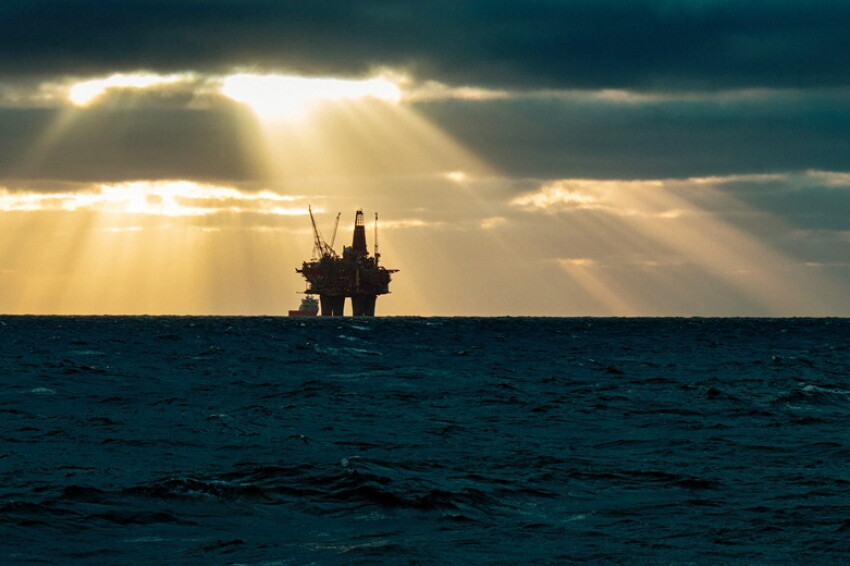
This paper identifies opportunities and risks associated with repurposing an offshore oil and gas platform for green hydrogen production. Various technical scenarios were investigated for the case study platform, and their profitability was determined using economic calculations. In addition, all the submodels were compared with standard decommissioning costs for reco…

This paper presents a flexible, highly cost- and energy-efficient method of gas separation and CO₂ capture from many different gas mixtures with a large range of CO₂ concentrations.

This work introduces a novel predictive methodology combining historical metocean data with real-time riser analysis for shallow water dynamically positioned rig operations.
-
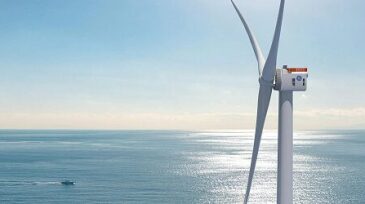
 The first offshore wind turbine installation vessel in the US is one of the largest of its kind in the world.
 -
The service company says its engageSubsea Remote platform provides real-time equipment-status information.
-
Shale-based associated gas production is behind the phenomenon. When oil prices do not support production, associated natural gas production also stops, with little to no consideration of natural gas prices.
-
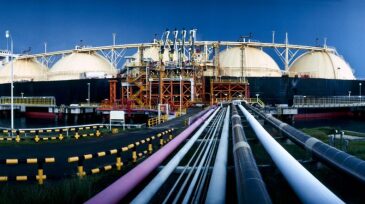
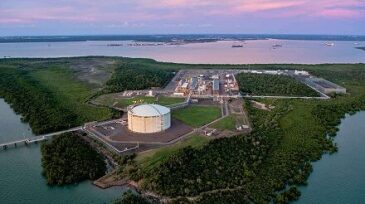
The agreement takes 80% of Santos’ share of expected gas from Barossa annually for 10 years.
-
The Italian oil and gas major has taken on a 20% stake in the first two phases of the project, which ultimately will be run by Equinor.
-
The complete paper presents a rigorous and consistent method to convert daily separator rates into stock-tank volumes. Recommendations for developing field-specific shrinkage correlations using field test data also are proposed.
-
The objective of the complete paper is to investigate and analyze energy-saving and process-optimization opportunities in upstream surface facilities, from downhole to the gas/oil separation plants (GOSPs), using a value-methodology approach.
-
Despite having strong wind resources and promising record-breaking capacity factors, most sites globally are unsuitable for bottom-fixed units. Floating wind will provide part of the solution for countries seeking to decarbonize their electricity.
-
Wind energy sources located offshore present challenges in transporting large amounts of energy. Energy transport through hydrogen molecules may be a solution. The PosHYdon project is intended to build experience with offshore H2 production and test power-to-gas technologies and integrated systems.
-
This paper’s intent is to provide a basic understanding of offshore renewable energy, including descriptions of wind and marine-hydrokinetic devices, with a focus on the physical and technical issues.