Onshore/Offshore Facilities
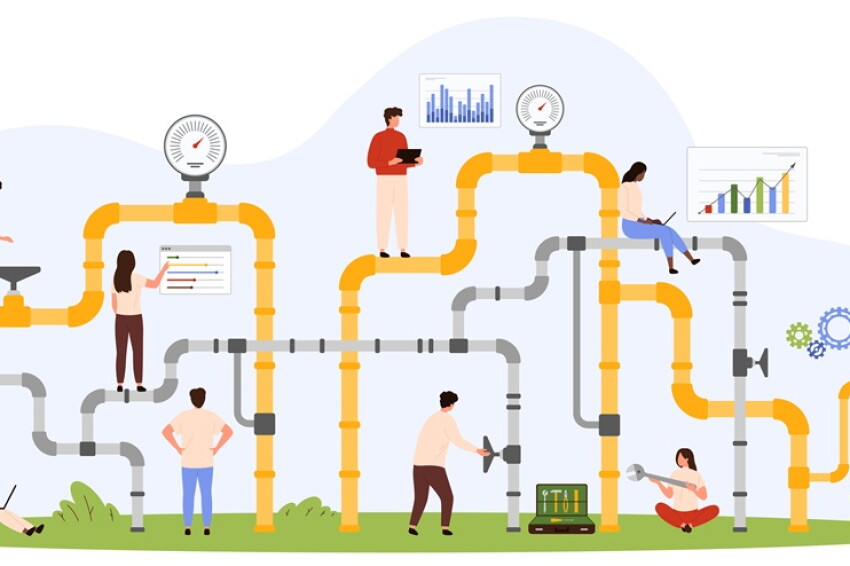
A credible custody-transfer record depends on far more than the accuracy of a single meter. It is the product of an integrated measurement chain. While meter performance supports measurement-system integrity, commercial confidence also depends on traceability, governance, and authorization.

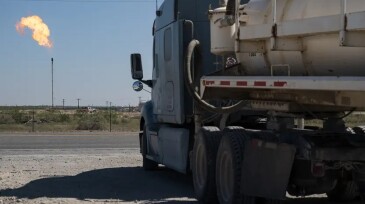
Despite significant progress in capturing associated gas for domestic use, Iraq remains the world’s third-largest gas-flaring country as it aims for higher oil and gas production targets.

The 2026 Upstream Scale Guidelines establish a common workflow for field measurements, scale modeling, and risk assessment to support more consistent operational decisions.
-
 Rystad Energy reports that developers are increasingly turning to floating LNG to reduce costs and accelerate project timelines in response to growing gas demand.
 -
Almost all rigs, platforms, and vessels have some form of cellular mobile services, fiber, or even microwave transmission. Nevertheless, all these vessels and assets are equipped with satellite connectivity capabilities.
-
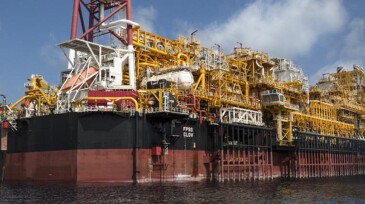
The Begonia and CLOV Phase 3 subsea tiebacks are each sending production to nearby FPSOs.
-
The China National Offshore Oil Corporation said it plans to use water injection, steam huff ’n’ puff, and steamflooding to produce the heavy oil field, with peak production expected in 2026.
-
With the right internal modifications, traditional degassers can be enhanced with gas flotation for improved oily water separation. This article outlines key design considerations—including inlet and settling zones, skimming, and solids handling. Two case studies highlight lessons learned in troubleshooting and revamping degasser designs.
-
Work by researchers at the University of Saskatchewan aims to advance the understanding of clathrate hydrates, crystal cages of ice that can trap gas and liquids.
-
Electricity produced onshore powers oil production at Johan Sverdrup holding CO₂ emissions at only 5% of the global average.
-
Texas lawmakers passed a suite of bills that officials said are crucial to combat losses in the state’s largest oil field.
-
This paper aims to describe the role of liquefied natural gas as a transitional energy source for automobile transportation in Nigeria.
-
The language of the well is conveyed through various parameters, including hook load, weight on bit, rotational speed, torque, pressure, and cuttings returns. The journey to understand this language has driven advancements in standardization, automation, technology, and science within planning and operations.