Onshore/Offshore Facilities

Despite significant progress in capturing associated gas for domestic use, Iraq remains the world’s third-largest gas-flaring country as it aims for higher oil and gas production targets.

Shell has reached FID on LNG Canada Phase 2, a major expansion that will double the Kitimat facility’s LNG export capacity to 28 mtpa and strengthen long-term supply to growing Asian markets.

The 2026 Upstream Scale Guidelines establish a common workflow for field measurements, scale modeling, and risk assessment to support more consistent operational decisions.
-
 This work evaluates CO2-based fracturing as a sustainable development approach for shale gas reservoirs in the Burgos Basin of Mexico.
 -
This paper describes an autonomous inflow-control technology for gas wells developed to detect and choke unwanted water production autonomously while allowing gas and condensate production.
-
This paper details the design and implementation of a subsea multiphase pump solution deployed in the Atlanta field designed to maximize reuse of existing subsea and topside equipment.
-
SponsoredEffective data analysis depends on seeing connections that matter. Explore how Spotfire enables a more intuitive approach to understanding petroleum data.
-
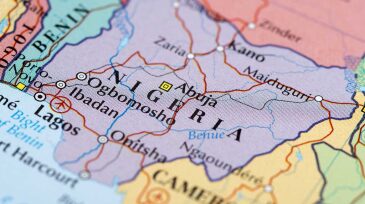
The deepwater infill project is Esso Nigeria's first drilling campaign in a decade and is expected to boost Usan's production by up to 40,000 B/D.
-
After a record year for LNG project approvals in 2025, multiyear repairs to war-damaged liquefaction facilities in Qatar and the UAE threaten to slow the growth of global LNG capacity.
-
The declaration builds on a memorandum of understanding the partners signed with Egypt in May to process Block 10 gas at the country’s LNG export and domestic gas facilities.
-
Alongside the new subsea awards, Equinor strengthened its position in the 400-million-bbl Bay du Nord development by acquiring BP’s interest in the project.
-
The events will be co-located 3–5 May 2027 at Reliant Park in Houston, Texas.
-
The supermajor said the fields are not expected to contribute meaningfully to its production profile by 2030.