Onshore/Offshore Facilities
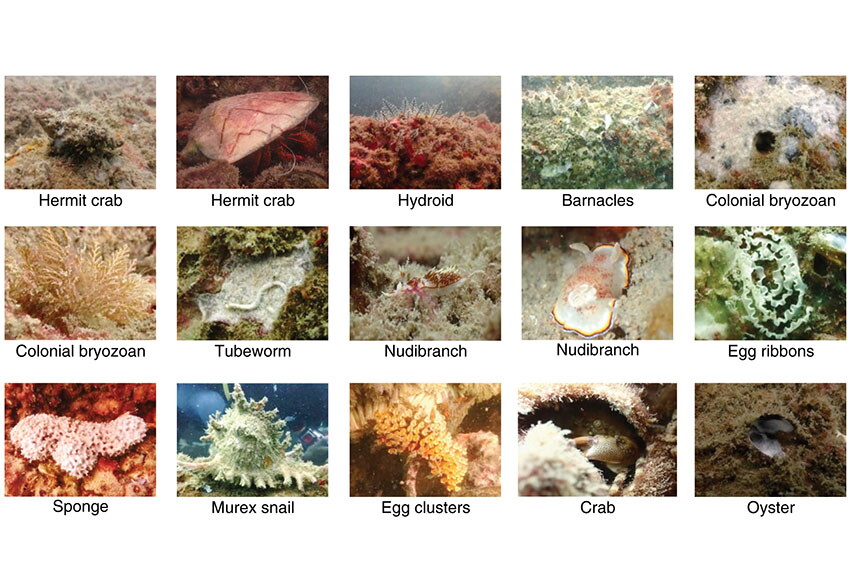
This paper reviews a proof-of-concept project in which surplus casing pipes were used in the fabrication of purposefully designed artificial reef structures for the enhancement of biodiversity and commercial fisheries.

This paper presents a study that confirms glass-reinforced-epoxy-lined tubing as a reliable, cost-effective solution for long-term water-injection service in moderate-salinity offshore environments.

A circular economy emphasizes reducing, reusing, recycling, and removing parts of existing systems to optimize them with respect to resource utilization. The following papers demonstrate how these pillars of a circular economy are enabling operators all over the world.
-
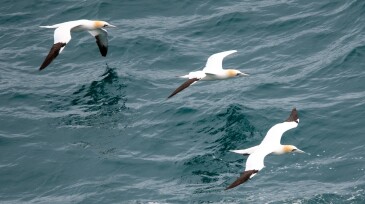
 Buoy-based camera footage, analyzed by artificial intelligence, can help reduce the risk of birds colliding with offshore wind farm turbines.
 -
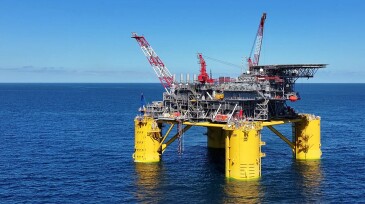
Over a dozen new projects aim to keep US offshore output near 1.8 million B/D through next year.
-
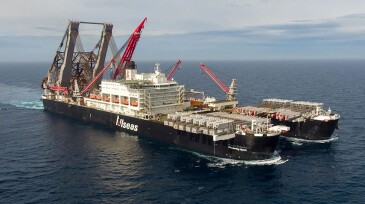
The Dutch marine contractor says it plans to outfit its construction vessels with small modular reactors over 5 years.
-
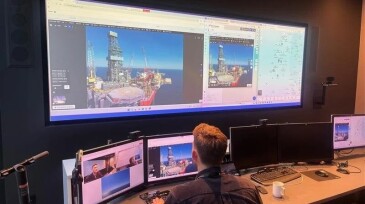
The company has installed an autonomous drone system on Aker BP’s Edvard Grieg platform in the North Sea, enabling frequent, remote inspections from shore.
-
The $2.9 billion Shah Deniz Compression project, expected online in 2029, will enable additional production of around 50 Bcm of gas and 25 million bbl of condensate.
-
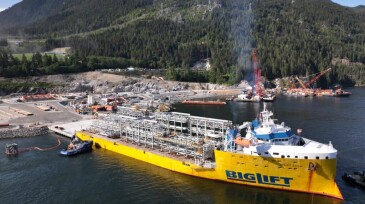
Project expects a total of 19 additional modules to arrive on site during 2025.
-
This paper describes the use of coiled tubing in a pilot project for carbon dioxide injection, enabling evaluation of the conversion of an existing oil field for CCS purposes and derisking storage-development uncertainties before having to cease hydrocarbon production.
-
This paper describes the first riserless coiled tubing services operation performed in a live subsea well and the associated improvements in efficiency, cost savings, and safety.
-
This paper describes a case history in the UAE in which the cleanout of scale contaminated with naturally occurring radioactive material was conducted successfully.
-
Once labeled “undrillable,” Brazil’s heavy-oil Atlanta field in the Santos Basin faced technical, financial, and logistical challenges. But through a phased approach, clever reuse of assets, and disciplined project execution, Brava Energia transformed a risky deepwater asset into a producing field with 172 million BOE in 2P reserves.