Onshore/Offshore Facilities

The supermajor said the fields are not expected to contribute meaningfully to its production profile by 2030.

This paper reviews a proof-of-concept project in which surplus casing pipes were used in the fabrication of purposefully designed artificial reef structures for the enhancement of biodiversity and commercial fisheries.

This paper presents a study that confirms glass-reinforced-epoxy-lined tubing as a reliable, cost-effective solution for long-term water-injection service in moderate-salinity offshore environments.
-
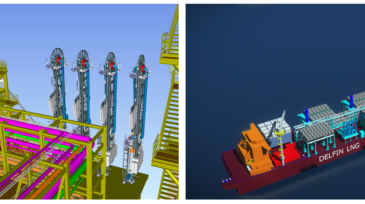
 Energy trader Vitol also made an unspecified strategic investment in Delfin Midstream.
 -
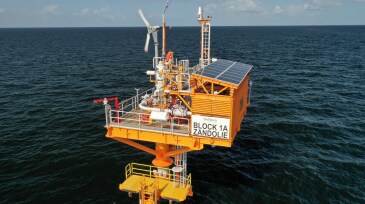
The local player completes second field in Block 1(a) off the west coast of Trinidad. The unmanned platform is completely powered by solar and wind.
-
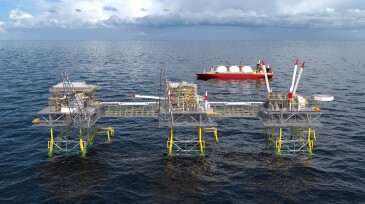
New Fortress Energy again taps the engineering giant for one of its modular LNG plants, this one using fixed platforms.
-
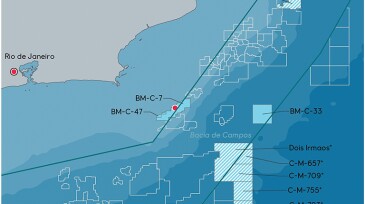
The contractor will finalize the chosen FPSO solution for the development in the Campos Basin pre-salt off Brazil.
-
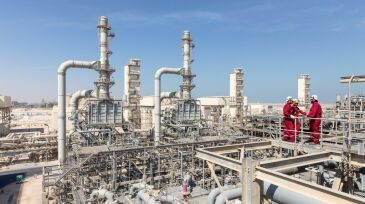
QatarEnergy has selected Shell as its fifth and final international partner on the expansion project.
-
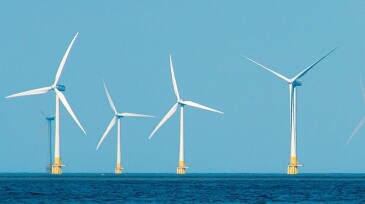
The Bureau of Ocean Energy Management has released the Draft Environmental Impact Statement for the proposed Ocean Wind 1 wind energy project offshore New Jersey, opening a 45-day period for public comment.
-
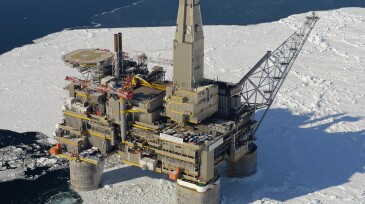
The Russian president has signed a decree that appears to nationalize the Sakhalin-2 offshore oil and gas production-sharing agreement and related LNG facilities to squeeze out its foreign partners.
-
Digital technology and high computing and processing speeds and novel technologies are providing additional impetus to extend the life of tubulars for long-term sustained production, minimizing negative effects on the environment. Recently, many new technologies borrowed from the horizontal-drilling industry have been applied effectively for downhole conditions to det…
-
How do you make new money from old offshore fields? The choice between investing in older assets or decommissioning them depends on oil and gas prices, the ingenuity of technical people, and the willingness of a company’s executives to hold on to older assets.
-
It has often been considered risky to use heavy drillships in depths below 2,000 ft. However, a good measure of innovation and market timing has recently proved otherwise.