Onshore/Offshore Facilities

This paper presents a flexible, highly cost- and energy-efficient method of gas separation and CO₂ capture from many different gas mixtures with a large range of CO₂ concentrations.

This work introduces a novel predictive methodology combining historical metocean data with real-time riser analysis for shallow water dynamically positioned rig operations.

This paper documents the testing, integration, and field deployment of a metal expandable packer used as an openhole toe isolation plug in a deepwater well under high-pressure, high-temperature conditions.
-
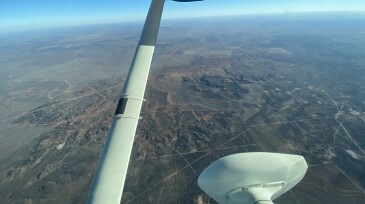
 Two wings and a few hours can replace dozens of boots and many months in site selection, planning, and management.
 -
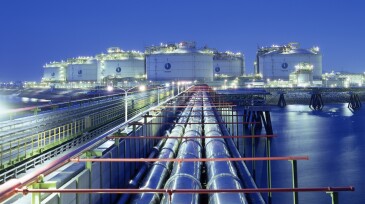
The $18.4 billion in project financing pledged to Rio Grande LNG represents the largest greenfield energy project financing commitment in US history.
-
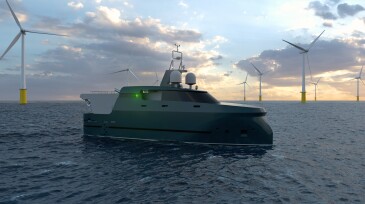
Norway’s USV joint venture will launch its first unmanned offshore surface vessel in 2025 to support subsea inspection, maintenance, and repairs.
-
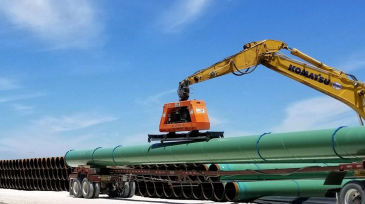
McDermott’s latest EPCI contract on Qatar’s North Field expansion focuses on subsea cabling and offshore/onshore pipelines to be fabricated locally.
-
Dos Caminos joint venture additions will be capable of delivering 2.0 Bcf/D of natural gas.
-
By initially ring-fencing Absheron’s gas for the domestic market, Azerbaijan will be able to export more of its overall gas production to Europe from across other projects.
-
ExxonMobil will soon own the only company with an interstate pipeline carrying captured carbon dioxide to storage sites.
-
The contract calls for Baker Hughes to supply equipment for three liquefaction trains for the project located in Brownsville, Texas.
-
The contract awarded by MODEC is for the supply of gas technology equipment for installation on the project’s FPSO.
-
The component is part of a full subsea deepwater completion/intervention system being designed by Expro for use on the Chevron tieback.