Onshore/Offshore Facilities
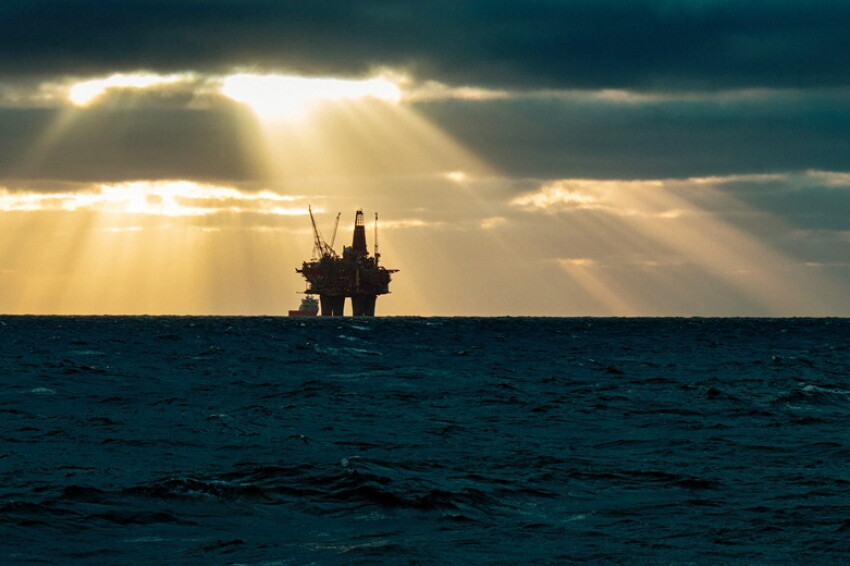
This paper identifies opportunities and risks associated with repurposing an offshore oil and gas platform for green hydrogen production. Various technical scenarios were investigated for the case study platform, and their profitability was determined using economic calculations. In addition, all the submodels were compared with standard decommissioning costs for reco…

With confidence in subsea boosting performance growing, BP is incorporating pumping systems into both greenfield developments and brownfield expansions.

As the pace of new discoveries slows and high-quality prospects become harder to find, oil companies may need to rely more heavily on mature fields to maintain production and support future supply.
-
 Onshore development is increasing production, while investors demand greater operational efficiencies. Operators and service companies are striving to strike the balance between fiscal discipline and growing their production. How low can costs go, and for how long?
 -
Gas turbine blades and large-scale printing machines highlight new advancements in additive manufacturing that are likely to affect the supply chain in the not-so-distant future.
-
The Constitution spar in the Gulf of Mexico has an original nameplate separation capacity of 70,000 BOPD and 200 MMscf/D of gas. Production potential from future developments is expected to exceed this limit.
-
Welcome to the Offshore Facilities feature in this month’s JPT. The three papers featured in this section were selected out of 141 submitted to SPE covering various elements of offshore facilities design, construction, installation, operation, and inspection.
-
Offshore project execution enhancement ideas are highlighted for debottlenecking, gas-hydrate-induced pipeline vibration, and the design of subsea systems for efficient startup.
-
The workflow aims to reduce the startup time of a subsea production system (SPS). A dynamic integrated model is used to adjust the scheduled SPS startup time. The model evaluates the dynamic simulation response of a large field startup by integrating a reservoir- and gathering-network model.
-
A computational fluid dynamics model is proposed to analyze the effect of hydrate flow in pipelines using multiphase-flow-modeling techniques. The results will identify the cause of pipeline failure, regions of maximum stress in the pipeline, and plastic deformation of the pipeline.
-
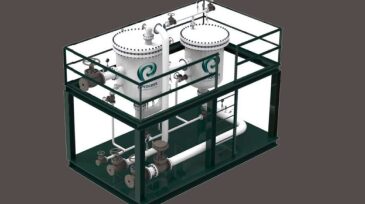
An operator in the western Gulf of Thailand retrofit two partial-processing water-management systems on mobile-offshore-production-unit platforms for bulk removal and treatment of produced water. Water debottlenecking increased oil production by 80% and reduced the infield transfer volume by 62%. Th
-
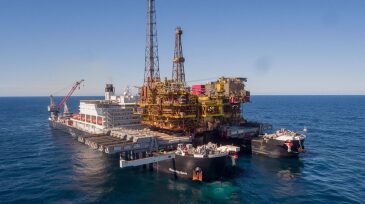
The long-term decommissioning of the historic Brent field has necessitated redevelopment of the younger Penguins field in the North Sea, where the UK hopes to see more revival projects in the coming years.
-
With $102 billion of decommissioning-related expenditure forecast to 2040 in Western Europe, opportunities are ripe for the supply chain to compete with innovative and cost-effective solutions for the E&P operators.