Onshore/Offshore Facilities

The latest edition of ISO 20815 extends the petroleum industry's production assurance and reliability management framework to carbon capture, hydrogen, ammonia, and wind assets.
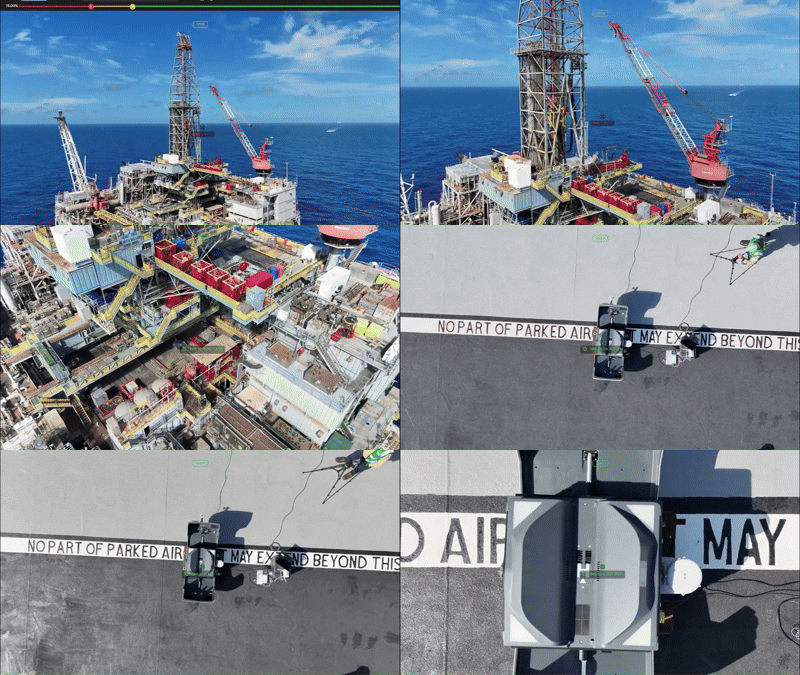
Shell has demonstrated drone-in-a-box operations from its Mars floating production unit, becoming the first operator in the region to secure FAA approval for self-approved offshore beyond-visual-line-of-sight flights. JPT Senior Technology Editor Jennifer Pallanich visited Shell Technology Center Houston to see the system in action.
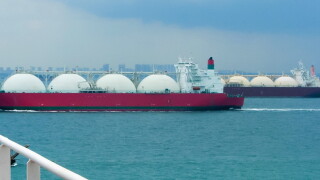
Increased capacity from new terminals and expansions drove up exports of liquefied natural gas at the quickest rate since 2016.
-
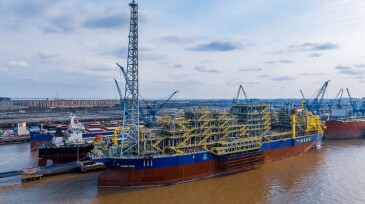
 The floating production, storage, and offloading vessel is the first in the world with a postcombustion carbon capture pilot system.
 -
The engineering and construction firms take the first steps toward combining companies.
-
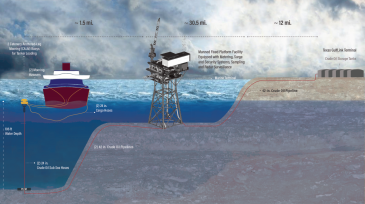
Texas GulfLink now turns to satisfying licensing conditions for the export terminal.
-
Fresh permit will allow the project to move forward towards FID this fall, first production expected in early 2029.
-
Closed-loop geothermal systems have entered the new-energy arena to generate electricity using the underground as a heat exchanger.
-
The new Sevan-designed cylindrical FPSO is expected to flow 45,000 BOE/D at peak.
-
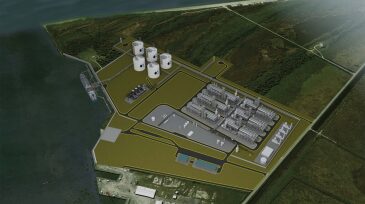
A Shell partnership with YPF marks a significant milestone for the Argentina LNG export facility, raising new questions about the nation’s potential to unlock the economic power of its vast shale reserves.
-
Global offshore decommissioning projects hear the starting gun in Australia and the North Sea, but will the race be a marathon or a sprint?
-
Located 230 km south of Abu Dhabi, the onshore Shah field produces around 70,000 B/D of crude.
-
By boosting gas supplies to Egypt’s home market, Cairo can return its focus to developing an LNG export hub.