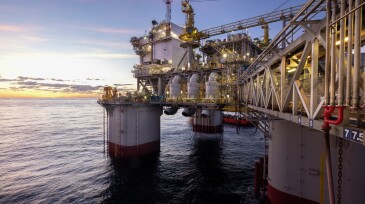
Onshore/Offshore Facilities

This paper presents a flexible, highly cost- and energy-efficient method of gas separation and CO2 capture from many different gas mixtures with a large range of CO2 concentrations.

This work introduces a novel predictive methodology combini ang historical metocean data with real-time riser analysis for shallow water dynamically positioned (DP) rig operations, addressing a gap in industry literature. The integrated approach of predictive nonproductive-time (NPT) estimation, real-time monitoring validation, and structured decision protocols for cr…

This paper documents the testing, integration, and field deployment of a metal expandable packer used as an openhole toe isolation plug in a deepwater well under high-pressure, high-temperature conditions.
-
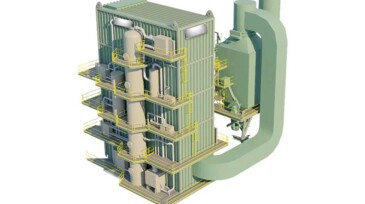
 This paper describes the design of compact carbon-capture modules, including post-combustion CO₂ removal process technology, for applications on offshore facilities.
 -
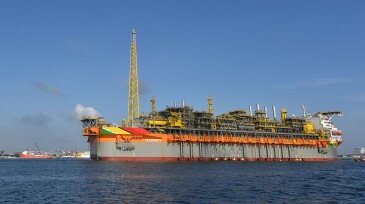
Since the late 1930s, the offshore industry has advanced from the first platform in 14 ft of water to the ultradeepwater 20K era. Driven by seismic, drilling, and development breakthroughs, the industry has pushed into deeper waters, high-pressure reservoirs, and new frontiers like Guyana, continually expanding the limits of offshore exploration.
-
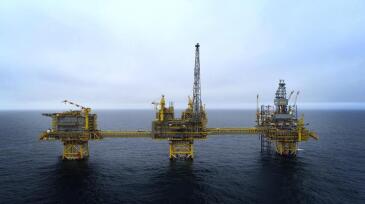
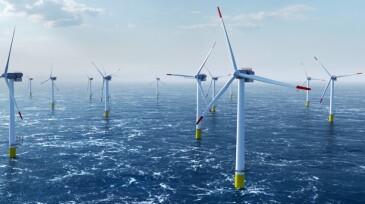
By the end of 2025, a floating wind turbine will supply power to the operator’s Culzean platform in the Central North Sea.
-
The environmental analysis found no significant effects from issuing leases.
-
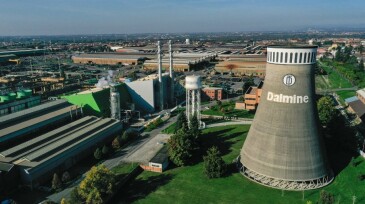
Proving that green hydrogen can efficiently power steel pipe manufacturing could advance the EU’s plan to decarbonize its heavy industry by importing the sustainable fuel from North Africa after 2030.
-
Investment in the Kingfisher and Tilenga upstream projects together with the East African Crude Oil Pipeline and a new refinery represents a $20-billion economic lift to the country.
-
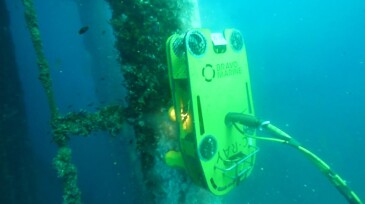
Chevron looks into using remotely operated vehicles to scrub marine growth from subsea structures.
-
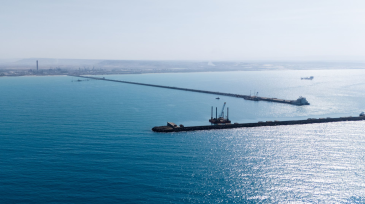
At peak, annual production from the two fields offshore Italy is expected to reach 1.5 Bcm.
-
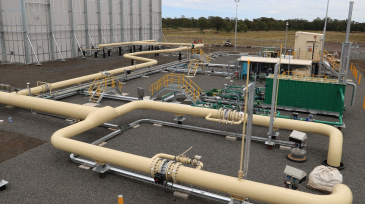
Partners in Arrow Energy, Shell, and PetroChina expect to drill 2,500 new gas wells over 27 years to feed the Queensland Curtis LNG plant.
-
The field represents the offshore industry's proving ground for "20K-rated" technologies needed to unlock other high-pressure reservoirs.