Onshore/Offshore Facilities

This paper presents an approach for safe, efficient, and cost-effective legacy well reabandonment.

This paper presents a flexible, highly cost- and energy-efficient method of gas separation and CO₂ capture from many different gas mixtures with a large range of CO₂ concentrations.

This work introduces a novel predictive methodology combining historical metocean data with real-time riser analysis for shallow water dynamically positioned rig operations.
-
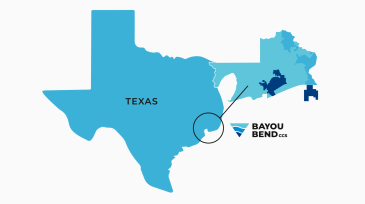
 After becoming one of the first US independents to go big on CCS less than 3 years ago, Houston-based Talos Energy is making its exit.
 -
The project advances toward the final investment decision expected this year.
-
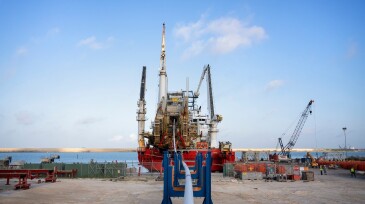
The US contractor will provide subsea installation services with work expected to begin in 2026.
-
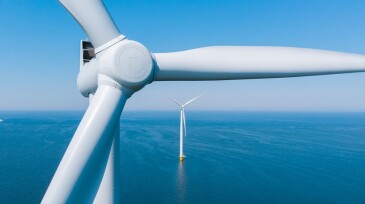
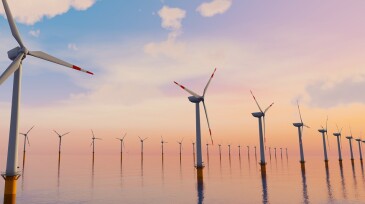
The bureau estimates that the project, previously known as Vineyard Wind South, would generate up to 2,600 MW of electricity, enough to power more than 900,000 homes.
-
This paper discusses and evaluates retrofitting abandoned petroleum wells for geothermal applications as a commonly proposed solution to meet the challenge of the capital expenditure required for drilling and completion.
-
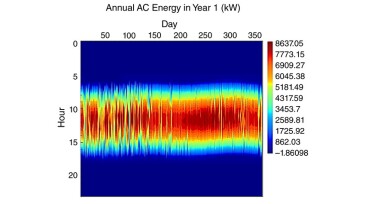
This paper aims to analyze the relevance of wind and solar energy for the supply of artificial lift systems on offshore platforms in the Brazilian equatorial region.
-
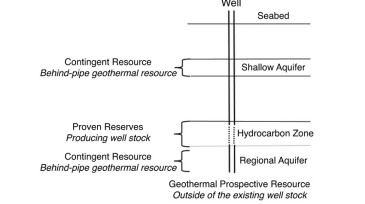
This paper provides an overview of a geothermal assessment project completed to assess geothermal energy resources in and around an operational high-pressure/high-temperature field on the UK Continental Shelf.
-
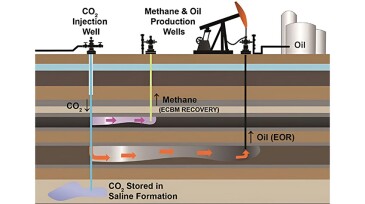
The long, successful history of various metallurgies in EOR wells has been cited as sufficient to allow the same completions for CCS injection wells. The lack of actual data on the long-term performance of these alloys in EOR wells in combination with the more-stringent requirements for Class VI wells suggests otherwise.
-
The areas are expected to have the potential to supply 2.4 GW of clean renewable energy.
-
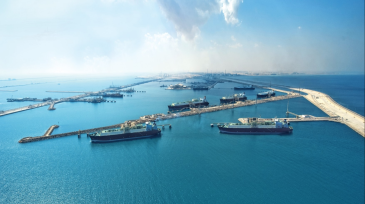
With its North Field development project in full swing to the south and east, Qatar is now turning west to supercharge its plan to raise LNG production by almost 85% before 2030.