Onshore/Offshore Facilities

This paper presents a flexible, highly cost- and energy-efficient method of gas separation and CO₂ capture from many different gas mixtures with a large range of CO₂ concentrations.

This paper introduces channel stacking, a novel and efficient methodology designed to significantly improve optical gas imaging-based leak detection.

As the pace of new discoveries slows and high-quality prospects become harder to find, oil companies may need to rely more heavily on mature fields to maintain production and support future supply.
-
 A successful round of sea trials moved the seismic technology company Blue Ocean Seismic Services closer to operational scaleup and commercial operations of its data-collection network.
 -
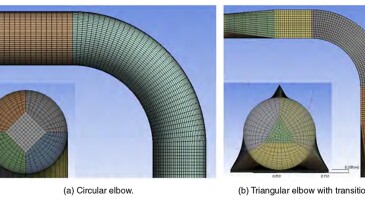
I would like to highlight the following works as promising technological developments for production and facilities: innovative measurement techniques, improvements to drilling safety, new developments in piping inspection, and a very interesting study of triangular vs. circular cross-sectional pipes.
-
The paper highlights the importance of adopting good practices when planning for decommissioning throughout the life cycle of a petroleum project.
-
This paper presents a survey of air/water and air/water/sand flow through circular and triangular pipes to study potential effects of triangular pipe geometry.
-
By 2030, deepwater production is expected to rise 60%, but after that, reduced leasing and exploration could limit this small slice of the sector.
-
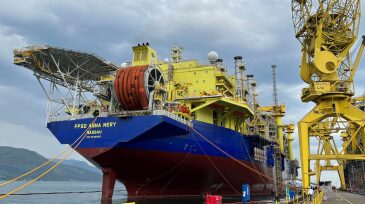
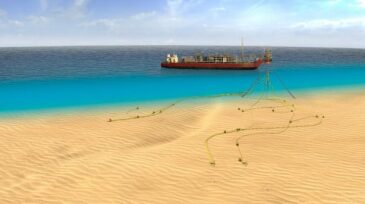
The standalone FPSO destined for Senegal’s first offshore oil development is on its way to a Singapore yard for topsides integration and commissioning.
-
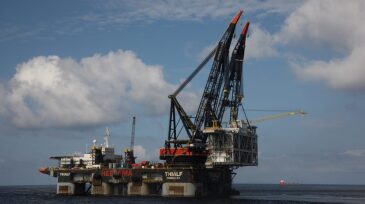
Cassia C is BP Trinidad and Tobago's first offshore compression platform.
-
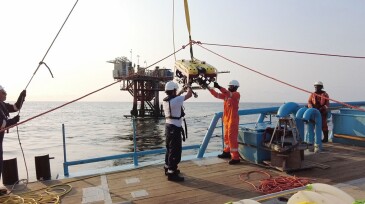
The Seaeye Falcon underwater robot is being used in the decommissioning and repurposing of an oil rig offshore Angola.
-
Pemex and New Fortress Energy partner up to develop the Lakach gas field.
-
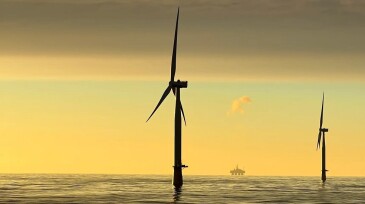
The power from the first turbine to come online will be used to help run the Gullfaks A platform in the North Sea. Seven of the 11 turbines in the field are expected to begin producing power within a year.