Production

The 2026 Upstream Scale Guidelines establish a common workflow for field measurements, scale modeling, and risk assessment to support more consistent operational decisions.

The long-term outlook analysis says a potential shift toward new construction could push 2026 production 3% above 2025 levels.

Lower operating expenditures and a changing asset mix helped UKCS operators cut average production costs by 9% year over year, despite relatively flat production levels, according to the NSTA.
-
 The authors of this paper develop an assay method to determine effective scale-inhibitor concentration.
 -
The authors of this paper use a pattern-review technique in a complex brownfield as a tool to understand reservoir connectivity and dynamic fluid movements across the field.
-
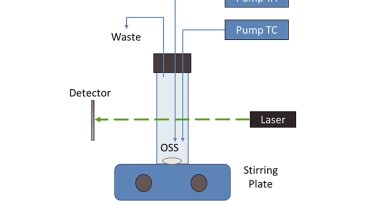
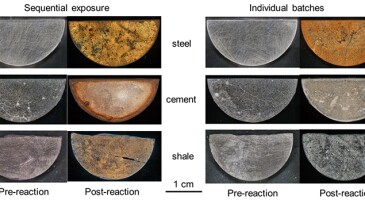
The authors of this paper demonstrate that future produced-water management and scale-mineral control may need to consider the sequential exposure effect of steel, cement, and shale on fluid chemistry and mineral precipitation.
-
This paper highlights a tailored chemical treatment strategy developed for solids mitigation for a Delaware Basin operator.
-
SponsoredQuickly identify the right strategies for a well or pad to overcome operational challenges. Explore cost-effective, easy-to-use solutions that help operators achieve better production rates with less manpower.
-
The electrical submersible pump market is forecast to hit $6.7 billion in 2023.
-
The Norwegian oil and gas producer announced its new spending plan that aims to raise production past half a million barrels a day.
-
Data mining and modern data analysis techniques allow us to do a much better job in finding good field analogies where new approaches to well remediation and restimulation have proven to have a high probability of commercial success.
-
Baker Hughes sees opportunity to capitalize by bundling smaller intervention campaigns.
-
Onshore flange repair allows several deepwater systems to resume production.