Production
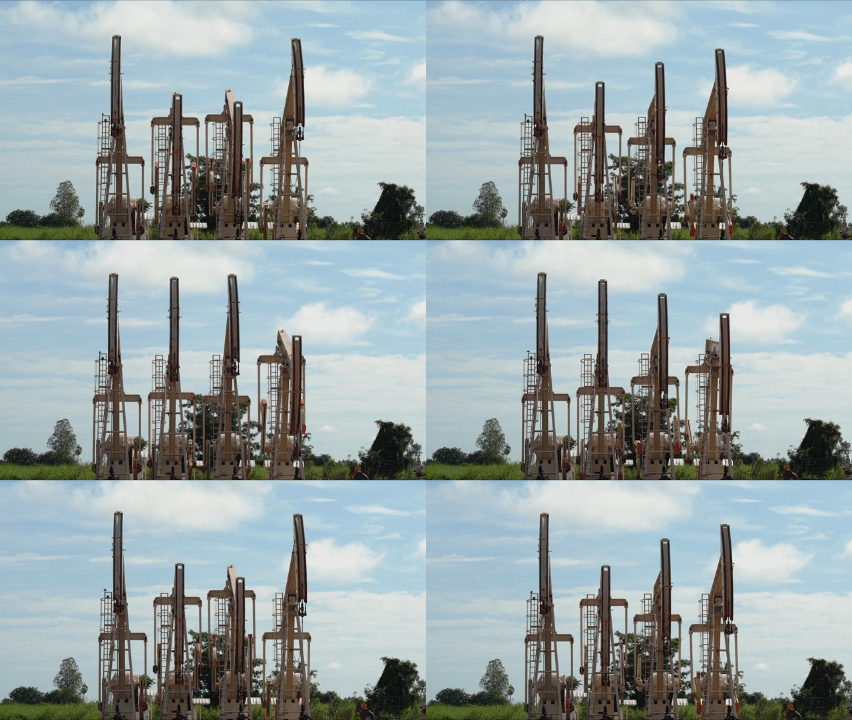
This paper proposes a novel, real-time pump failure prediction method using machine learning with scaled load ratio to accurately predict pump failures using only surface pump load data.

Five agreements target more than 11 Tcf of offshore gas and include flare-reduction technology.

Disputes over tanker fees and the ongoing military operation in Lebanon represent potential fault lines for the tentative peace deal.
-
 The complete paper reviews the history of enhanced oil recovery and the Scurry Area Canyon Reef Operators Committee, discusses changes in theory over time, and provides a look at the field’s future.
 -
Karoon Energy will put the rig to work in its Baúna field.
-
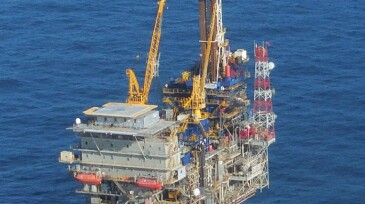
The Green Canyon Block 21 well has underperformed flow expectations since commencing production.
-
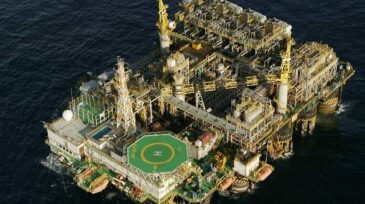
Oil from the Santos Basin has been postponed due to delays with the production system.
-
The contractor will supply subsea equipment for the Brazilian state oil company’s Marlim, Voador field revitalization project.
-
The way gas injection is used to lift oil and water to the surface needs to change because better control and data may mean more production. At a time when engineers are managing so many wells, they need help from machines.
-
Getting more out of gas lift requires understanding how gas injections interact with the oil, water, and gas flowing up the well—in other words, multiphase flow. Some papers are listed to get you started.
-
Country’s president expects 10 additional wells in its waters this year.
-
Forecast sees 12% boost in the region’s crude production by the end of 2022.
-
The service giant and a technology developer from Norway seek to create a broader market for two technologies aimed at lowering topside footprints and improved operational efficiency.