Production

At the inaugural SPE/ICoTA Asia Pacific Well Intervention and P&A Conference and Exhibition in Kuala Lumpur, industry leaders highlighted how high-fidelity well data, real-time diagnostics, and predictive technologies are reshaping intervention planning and execution to improve well performance, reduce risk, and optimize late-life asset management.

Sponsored
With operators under pressure to deliver more energy with fewer resources, predictable drilling performance is more important than ever. Discover how a unified digital workflow can turn drilling data into better decisions and consistent execution—providing the foundation for autonomous drilling and more predictable, profitable, and productive wells at scale.

Superior seeks to expand its international footprint through the acquisition, which is reportedly valued at $1.2 billion.
-
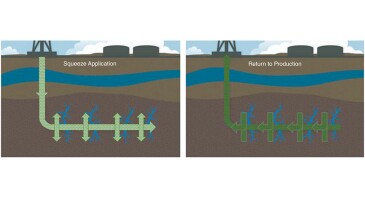
 This paper provides details of a pilot study conducted on multiple wells, showcasing the potential of a novel biotechnology in Bakken enhanced oil recovery.
 -
This year’s Acidizing feature presents three SPE conference papers that discuss an important battlefront of enhanced production—carbonate reservoirs, those plays whose heterogeneity, reactivity, and flow behavior pose challenges that remain comparatively little-understood, despite the industry’s intensified efforts to maximize their output.
-
Updates about global exploration and production activities and developments.
-
This paper describes the use of coiled tubing in a pilot project for carbon dioxide injection, enabling evaluation of the conversion of an existing oil field for CCS purposes and derisking storage-development uncertainties before having to cease hydrocarbon production.
-
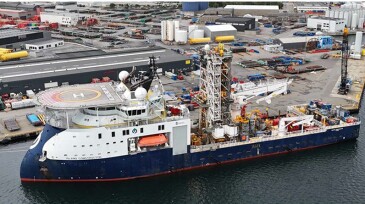
This paper describes the first riserless coiled tubing services operation performed in a live subsea well and the associated improvements in efficiency, cost savings, and safety.
-
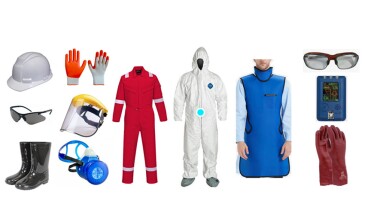
This paper describes a case history in the UAE in which the cleanout of scale contaminated with naturally occurring radioactive material was conducted successfully.
-
In the wake of the falling number of exploratory wells in the country, Brazil-owned Petrobras addressed audience concerns as well as outlined new avenues for production at the Offshore Technology Conference.
-
Three case studies consider the gas-related reasons electrical submersible pumps fail in unconventional shale environments.
-
This article presents a comparative study evaluating four machine-learning approaches, including three deep-learning methods, for forecasting gas and condensate production over a 5-year horizon.
-
The investment underscores ExxonMobil’s pivot to Nigeria’s offshore after it finalized the divestiture of its onshore assets in the country.