R&D/innovation

Winners of Alberta's Drilling Technology Challenge cover a range of technologies from robotics to enhance drilling rig safety to AI-enabled energy management, downhole sensing, well navigation, hybrid power systems, and geothermal energy.

The London-based supermajor is stepping back from startup investing as it seeks to focus capital on its oil and gas business.
The events will be co-located 3–5 May 2027 at Reliant Park in Houston, Texas.
-
 Barbara Burger says the key interest areas for the supermajor’s portfolio of startup investments remains unchanged despite a new industry downturn. However, the environment is tighter and the way in which deals are made has already seen notable change.
 -
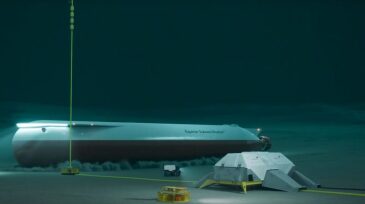
A new idea from Equinor calls for autonomous submarines to transport CO2 from the surface to the seabed. The Norwegian operator says the shuttles could also carry oil and water for injection.
-
The Offshore Technology Conference (OTC) selected 12 new technologies for its 2020 Spotlight on New Technology Awards. The annual awards program recognizes innovative technologies and allows companies to showcase the latest advances in offshore exploration and production.
-
PETRONAS, Universiti Teknologi PETRONAS (UTP), and the Society of Petroleum Engineers (SPE) recently collaborated on how best to leverage the collective strengths, expertise, knowledge of the industry, academia. and professional association.
-
GlassPoint Solar was founded in 2008 to replace the use of natural gas for steamflooding heavy-oil reservoirs. But amid low energy prices, its chief investor has decided to pull the plug for good.
-
Wind turbine substructures and anchors made of special concrete would float to a site from an onshore plant.
-
Alan Nelson is not only the new chief technology officer at ADNOC, he is the company’s first person to hold the title at the integrated oil company.
-
Hear first-hand from the first-ever chief technology officer at the Abu Dhabi National Oil Company, Alan Nelson, about the integrated operator's digital transformation strategy.
-
The Offshore Technology Conference announces the 2020 recipients of the Spotlight on New Technology Award. Eighteen technologies from 14 companies from around the world will be awarded this year, including six companies that will be recognized for the Spotlight on Small Business Award.
-
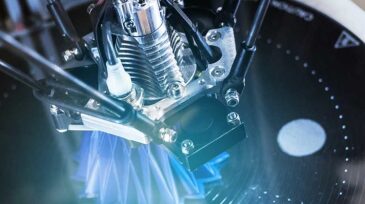
The JIPs managed by DNV GL and Berenschot focused on 3D-printed-component certification and supply chain set-up.