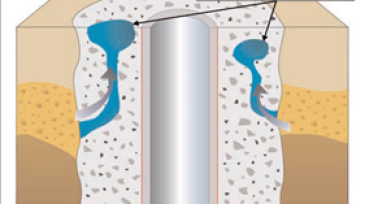
Reservoir

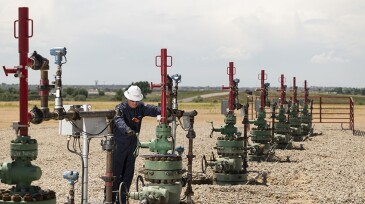
This case study describes how edge computing and industrial internet of things platforms were deployed to automate and optimize production operations across four distinct basins.
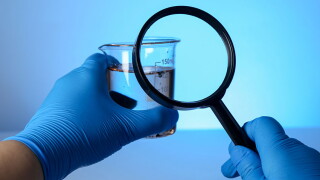
This case study presents a procedure in which the operator compared production from wells with adjusted wettability to a control group, finding that the adjustments resulted in significant improvements in production and reductions in produced water.

This year’s selected papers showcase meaningful advances across condensate‑rich tight gas, tight sandstones, and coalbed methane reservoirs, each contributing new tools for improving predictability and field-development efficiency.
-
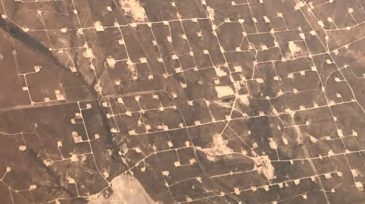
 Permian producers are looking for new places and ways to sustain production in the giant basin.
 -
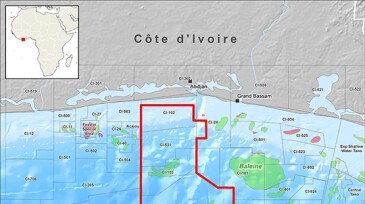
The project aims to reimage a 6,400-km2 seismic data set near the recently discovered Baleine field.
-
The latest deal from Denver-based Civitas Resources brings its spending total this year to almost $7 billion.
-
The authors of this paper describe a procedure that enables fast reconstruction of the entire production data set with multiple missing sections in different variables.
-
This paper presents a physics-assisted deep-learning model to facilitate transfer learning in unconventional reservoirs by integrating the complementary strengths of physics-based and data-driven predictive models.
-
The authors of this paper present an artificial-lift timing and selection work flow using a hybrid data-driven and physics-based approach that incorporates routinely available pressure/volume/temperature, rate, and pressure information.
-
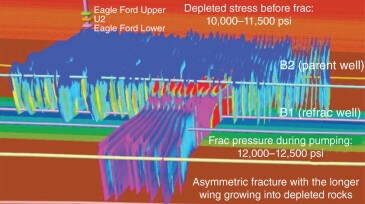
This paper focuses on characterization of fracture hits in the Eagle Ford, methods to predict their effects on production, and mitigation techniques.
-
As production dynamics evolve over the full life cycle of a tight-oil play, a single artificial lift method may not be the most cost-effective solution.
-
SponsoredWhat are we, in the upstream oilfield service companies, doing about it? The Middle East upstream oil and gas industry is shifting its focus to unconventional and tight-gas resource development.
-
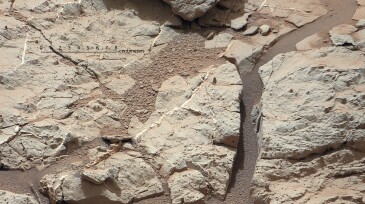
The natural fractures discovered on Mars during rover missions might be so important that they are worth bringing back to Earth.