Reservoir

As Egypt’s largest oil and gas investor, Eni is ramping up its 2026–2027 drilling campaign with new investments cross the Mediterranean offshore, Nile Delta, Western Desert, and offshore Sinai to strengthen the country’s role as a regional gas and LNG export hub.

The industry is no longer short of measurements; the real challenge is converting them into timely reservoir decisions that protect value. That challenge is becoming more urgent as the industry depends increasingly on mature fields and existing infrastructure. The selected papers show how this need is being addressed across different producing regions.

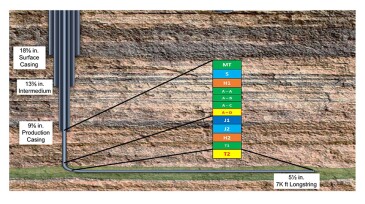
This paper presents a case study from a mature field redevelopment project where pulsed neutron logging was integrated with advanced reservoir modeling to improve the understanding of fluid-contact dynamics and optimize new horizontal well placement.
-
 This article presents a comparative study evaluating four machine-learning approaches, including three deep-learning methods, for forecasting gas and condensate production over a 5-year horizon.
 -
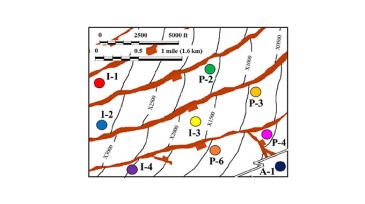
This paper presents a fundamental research study with the main objective of building a mechanistic numerical model that captures the important mechanisms of polymer flooding through various mechanistic equations using a combined reservoir flow and geochemical numerical simulator.
-
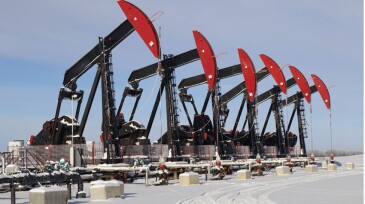
US shale producers have stepped up their use of simultaneous fracturing techniques to cut costs and accelerate well delivery.
-
Global majors remain committed to boosting investment in Egypt’s offshore gas production as they eye Cairo’s underutilized LNG capacity.
-
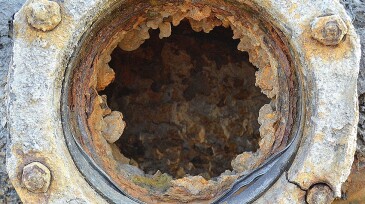
New strategies for protecting metal infrastructure emerge as operators fine-tune a corrosion threat screening process and develop a new method for tracking inhibitor effectiveness.
-
Field examples from the Bakken Shale and Permian Basin illustrate the benefits of deploying polymer-coated and uncoated scale inhibitors in unconventional wells.
-
This paper highlights nontraditional methods to cure oil-based-mud losses in horizontal wells drilled in unconventional plays.
-
The authors of this paper describe reservoir-fluid-geodynamics processes that explain the reasons behind varying oil compositions and properties within and across different reservoir compartments.
-
Natural gas-powered electric fleets look to pave the way for the next generation of power generation.
-
Interfacial tension keeps oil and water separate by resisting the mixing of their molecules at the surface. Learn how industry experts measure this force to diagnose fluid behavior.