Reservoir

EY reports an 11% decline in reserve additions and the first sub-100% reserve replacement ratio since 2021, even as crude output climbed.

Sponsored
With operators under pressure to deliver more energy with fewer resources, predictable drilling performance is more important than ever. Discover how a unified digital workflow can turn drilling data into better decisions and consistent execution—providing the foundation for autonomous drilling and more predictable, profitable, and productive wells at scale.

The shale revolution, the Paris Agreement, and the global pandemic each transformed energy markets. Now, industry leaders say energy pragmatism is emerging.
-
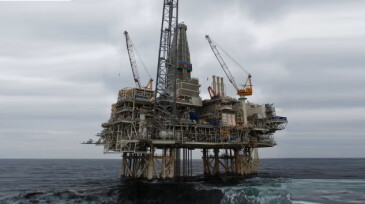
 BP said it expects to keep the Azeri-Chirag-Gunashli (ACG) project in production into the 2040s by tapping into separate nonassociated gas reservoirs.
 -
Xu outlines the thinking and theories that led his team to six world-class oil discoveries that total more than 100 million tons of proven geological reserves since 2021.
-
The deal adds physics-based reservoir modeling and real-time decision workflows to SLB’s digital portfolio.
-
Weatherford CEO Girish K. Saligram said the acquisition will bolster Weatherford’s completions offerings and unconventional reservoir capabilities.
-
This case study from SLB and offshore producer PRIO describes the longest openhole section in Latin America with the highest extended-reach drilling ratio in Brazil’s history.
-
New insights from Chevron, Occidental Petroleum, and others at the SPE Improved Oil Recovery Conference highlight the different paths companies are using to squeeze more out of tight rocks.
-
Since the US arrested and removed Venezuelan President Nicolás Maduro on 3 January 2026, all eyes have turned toward the country’s vast oil reserves, the largest of any country. From 2005 to 2024, oil production in Venezuela fell by 70%, from 3.1 million B/D to just 0.9 million B/D. The race is on to bring production back, but aging infrastructure and expatriation pre…
-
This guest editorial from the Center for Injection and Seismicity Research (CISR) at The University of Texas at Austin details the emerging risks posed by injection in Texas and what steps might be taken to mitigate them.
-
This case study from Erdos Miller outlines the use of magnetic short-hop technologies to complement the use of mud pulsers to transmit telemetry to surface.
-
As unconventional hydraulic fracturing matures, completions practices shift from art to engineering best practices.