Risk management

Sponsored
Effective data analysis depends on seeing connections that matter. Explore how Spotfire enables a more intuitive approach to understanding petroleum data.

After a record year for LNG project approvals in 2025, multiyear repairs to war-damaged liquefaction facilities in Qatar and the UAE threaten to slow the growth of global LNG capacity.
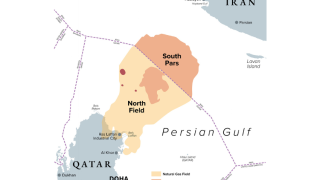
Barzan plant explosion that killed 13 and injured 66 occurred 2 days after production was restarted following a scheduled shutdown in December for routine maintenance.
-
 The use of data-intensive decision making and smart risk-management solutions has resulted in the improvement of the ethical foundations underlying the industry. These digital tools and machine-based cognitive processes for risk-avoidance have also helped restore the public’s trust in the industry.
 -
The memorandum on integrated and unified risk management in the petroleum industry aims to help companies continue developing their own activities in this area.
-
Oil and gas entrepreneurs need more than just a brilliant idea to attract investment, and investors have to offer more than just money.
-
The US re-imposing sanctions on Iran has prompted Total to consider dropping its stake in a project designed to bolster output from the world’s largest gas field.
-
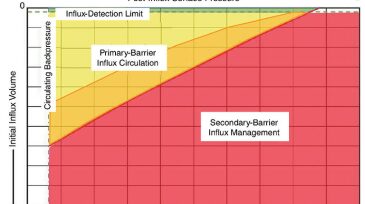
The influx-management-envelope (IME) concept is an advanced, innovative way to assess influx conditions in managed-pressure-drilling (MPD) operations, offering an improved tool for the decision-making process.
-
Indy Chakrabarti, senior vice president of product management and strategy at Emerson Automation Solutions talks about developments in software solutions for the oil and gas industry.
-
Operators, vendors, academics, and government officials offered an abundance of views and recommendations on cyber-threats to the industry during the American Petroleum Institute’s recent Cybersecurity Conference.
-
At a recent global meeting of operations research and management sciences professionals in Houston, an ExxonMobil research executive stressed the importance of optimization and data analytics to company operations.
-
Safety risks of drilling operations are widespread, with potentially significant consequences. Managing these safety risks is key, and intelligent safety risk software can help.
-
Many of the biggest players in the industry—particularly the majors—have adapted their portfolios for “lower for longer” and are once again sanctioning big projects. While we are not back to the heady days of 2010–2014, we have left behind the dark days of 2015–2016.