Risk management

Sponsored
Effective data analysis depends on seeing connections that matter. Explore how Spotfire enables a more intuitive approach to understanding petroleum data.

After a record year for LNG project approvals in 2025, multiyear repairs to war-damaged liquefaction facilities in Qatar and the UAE threaten to slow the growth of global LNG capacity.
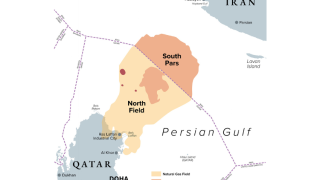
Barzan plant explosion that killed 13 and injured 66 occurred 2 days after production was restarted following a scheduled shutdown in December for routine maintenance.
-
 Consortium suspends planned purchase of 50% stake in Israeli gas producer in light of ongoing military conflict in the region.
 -
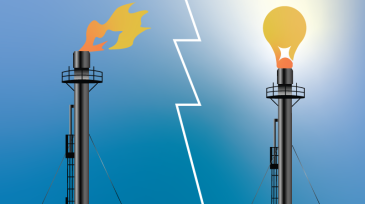
The advancement of the oil and gas industry hinges on its ability to transform digitally by applying high-quality data to illuminate its path forward.
-
SponsoredImprove modeling accuracy and reduce the risk of unplanned downtime. By eliminating the need for multiple applications, complete more accurate comprehensive pressure safety studies faster.
-
An Energy Industries Council survey of nearly 100 energy supply chain leaders finds that a lack of "consistent and profitable work in green projects" prompts a return to oil and gas projects.
-
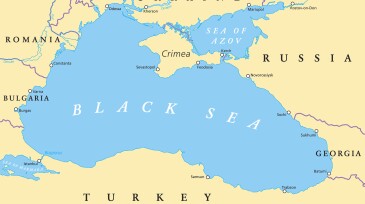
The Black Sea is where Turkey shares maritime borders not only with Russia and Ukraine, but also with EU nations such as Romania. Its significance is evolving, both regionally and globally.
-
Driving change to encourage a new way of thinking about enterprise-level risk and potential hazards.
-
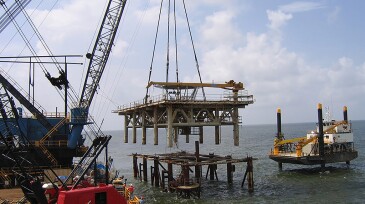
With global decommissioning activities forecast to reach $100 billion through 2030, early planning for it could go far in helping to minimize risk and associated costs.
-
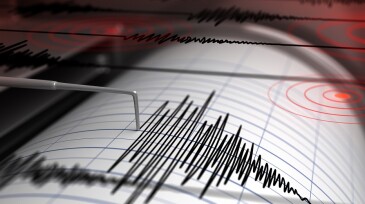
Regulators told some injection well operators close to the epicenter of a magnitude 4.0 earthquake that they will have to shut down their operations indefinitely.
-
A recent report released from the National Academies of Sciences, Engineering, and Medicine shows improvement in measurement and management of systemic risk in Gulf of Mexico oil and gas operations but adds that progress lags in some areas.
-
SponsoredImprove modeling accuracy and reduce the risk of unplanned downtime. By eliminating the need for multiple applications, get more accurate and comprehensive pressure safety studies faster.