Robotics/unmanned systems

From AI-enabled walking rigs to subsea drones and autonomous inspection robots, robotics is rapidly moving from pilot projects to field deployment. The technology promises not only greater efficiency but also a fundamental shift in how the industry approaches safety and asset management.
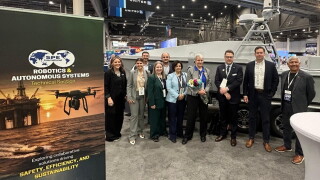
This article from the SPE Robotics and Autonomous Systems Technical Section (RASTS) explores the insights shared at the recent Offshore Technology Conference (OTC) in Houston about autonomous systems and their role in the industry's future.
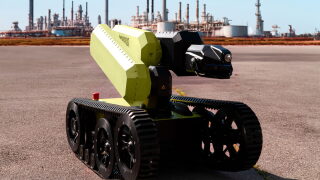
The deployment of a new heavy-duty robotic system aims to reduce workforce exposure to high-risk areas while improving detection of potential leaks.
-
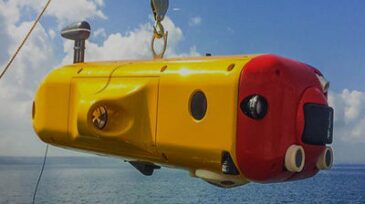
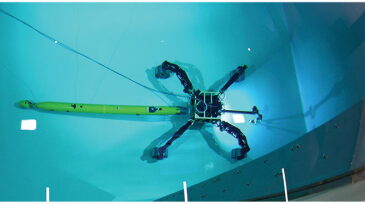
 Saipem is taking the lead in advancing the capabilities of FlatFish, an autonomous underwater vehicle being developed by Shell for commercial application by 2020.
 -
Drones will be just one of the tools that the service company uses in its drive toward net-zero carbon emissions.
-
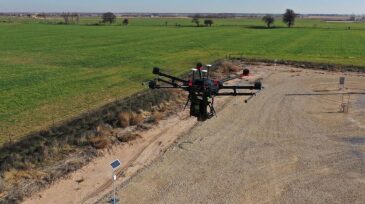
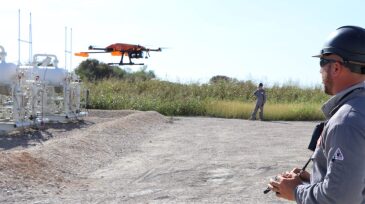
One of the more significant benefits of drones in the field to date has been their ability to improve safety in the field.
-
Subsea inspection/repair/maintenance services have traditionally relied on vessel-based, ROV, or diver operations. In the longer term, identifying significant incremental savings in these operations is not sustainable and an innovative approach deploying digital technologies is being investigated.
-
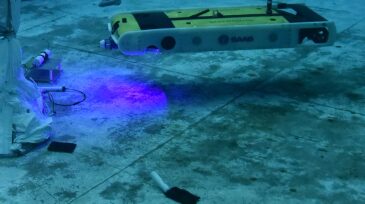
ROVs dominate the world of subsea inspections, maintenance, and repair, but as operators work in a post-downturn economy, autonomous systems have become more in demand. Autonomous inspections are possible today, but how can they help with light and heavy intervention?
-
Technologies are being developed that have the potential to support marine mining in all stages from prospection to decommissioning. These developments will likely have substantial influence in the oil and gas industry, itself searching for ways to maximize exploitation of assets.
-
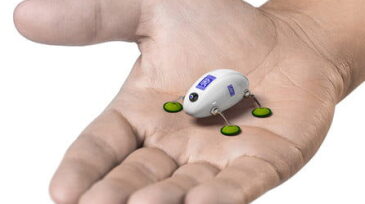
As part of its IntelligentEngine project, researchers from Rolls-Royce have announced their plans to develop snake- and insect-swarm-inspired robots that will crawl inside engines to carry out inspections and perform maintenance. The snake-like robot could access an engine in the manner of an endoscope and then deliver a swarm of miniature robots (around 10mm in diame…
-
Venture groups spend their time evaluating hundreds of companies each year to only make a handful of investments. These two cover interesting ends of the upstream spectrum: aerial drones and downhole artificial lift.
-
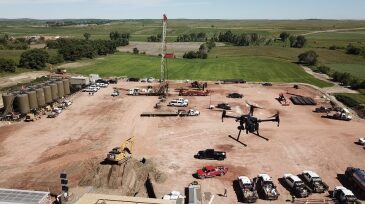
Aerial surveillance of oil and gas operations can help in decision-making and lead to quick and appropriate responses to deal with potentially detrimental matters.
-
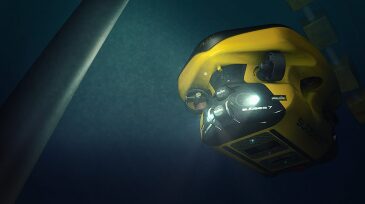
As operators look for cost-efficient ways to address the challenges in facility maintenance and deepwater exploration, autonomous underwater vehicles are being developed for complex data gathering and advanced tasks.