Safety

As drilling operations become increasingly digital, computer vision is emerging as a continuous safety layer that complements, not replaces, established safety practices. The challenge is no longer whether artificial intelligence can detect hazards, but how operators should deploy, integrate, and govern these systems to improve safety without adding operational comple…

From AI-enabled walking rigs to subsea drones and autonomous inspection robots, robotics is rapidly moving from pilot projects to field deployment. The technology promises not only greater efficiency but also a fundamental shift in how the industry approaches safety and asset management.

This paper explores how artificial intelligence (AI), cognitive models, and integrated digital tools can transform readiness from periodic drills into a continuous, measurable capability.
-
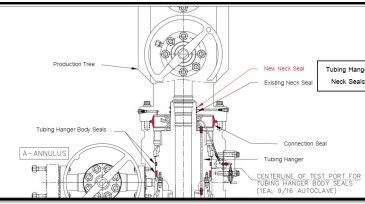
 After a barrier was breached in an offshore gas well, the well was made safe by closing a primary barrier. An investigation then revealed the root cause of the failure and led to a solution that safely brought the well back online.
 -
One expert says there needs to be a transfer of safety culture from the traditional energy industry to the newer offshoot of renewables.
-
While personal protective equipment has not traditionally had the technological capabilities to help prevent worker injury due to human error, the latest safety innovations, such as gas detection wearables, can help provide visibility and data-driven insights.
-
To explore motor vehicle safety, the agency is conducting interviews with workers as well as focus groups with managers and supervisors.
-
Where health, safety, and environmental efforts are focused must create value for the organization.
-
This paper’s proposal is based on the need to communicate commands, requests, affirmations, and more with precision and accuracy. Creating an architecture for rig communications is essential for the next generation of engineers and operators to work more safely and more efficiently.
-
A recent report released from the National Academies of Sciences, Engineering, and Medicine shows improvement in measurement and management of systemic risk in Gulf of Mexico oil and gas operations but adds that progress lags in some areas.
-
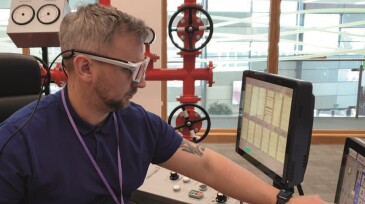
A study from the International Association of Oil and Gas Producers shows the value of eye-tracking in well control operations.
-
SponsoredImprove modeling accuracy and reduce the risk of unplanned downtime. By eliminating the need for multiple applications, get more accurate and comprehensive pressure safety studies faster.
-
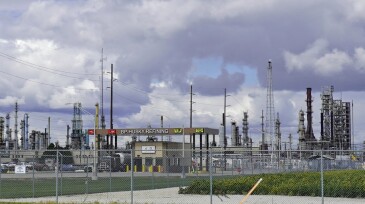
OSHA cited BP with 10 serious violations, saying the gas production plant lacked adequate training and process controls for leaks. The explosion killed two workers in September.