Safety

This study ascertains the capital expenditure and operating expenditure associated with the reuse of existing facilities, specifically regarding a carbon capture and storage project being prepared in South Korea.

Sponsored
Advance your career with the new Pipeline Engineering Program at the Technical University of Leoben, a 5-month course combining on-campus and online learning, integrating industry expertise, engineering practice, and future-ready skills for professionals in oil, gas, and emerging energy systems.

A resilience-based approach to safety was the focus of a panel of experts at the 2025 SPE Annual Technical Conference and Exhibition in Houston.
-
 Just a few weeks after the Colorado Oil and Gas Conservation Commission's final approval of a statewide 2,000-ft setback between new wells and some buildings, Boulder County commissioners have adopted even stricter requirements.
 -
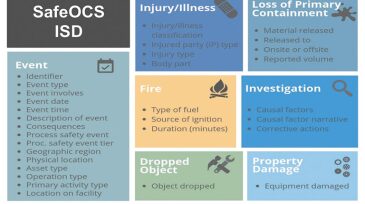
In the aftermath of the Deepwater Horizon oil spill, the oil and gas industry, regulators, and other stakeholders recognized the need for increased collaboration and data sharing to better identify safety risks and address them before an accident occurs.
-
A presentation at the 2020 Offshore Technology Conference Asia described a study of unmanned aerial vehicles operated by off-site pilots based in remote control centers many miles from the facility.
-
Smartphone apps can help workers manage their own personal health information.
-
We can long for things to return to "normal," and they may to some extent. But the changes in our culture that the pandemic brought will have a lasting impact.
-
The International Association of Oil and Gas Producers developed its Process Safety Fundamentals report to support companies as they seek to reduce, and ultimately eliminate, severe and fatal process-safety events.
-
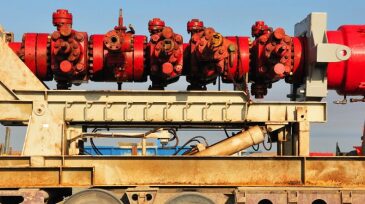
In 2013, a technology-development project began that digitized, automated, and applied analytics to blowout preventer pressure testing. As a result of the deployment of automated BOP testing, significant improvements have been achieved in process safety, personal safety, and rig-time savings.
-
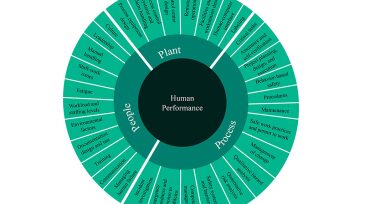
Competency in human factors is all too often focused on frontline operators, and the importance of human-factors skills among other groups is unappreciated. To be truly effective, human-factors principles have to be implemented throughout an organization.
-
The oil and gas industry has picked up on the benefits of digitization and artificial intelligence in its day-to-day activities, and the health, safety, and environment sector is no exception. While AI brings clear benefits, the risks that come with those benefits remain unclear.
-
The coronavirus crisis had a devastating effect on oil-company revenues, but it has posed a tough human-resources problem too: how to keep workers safe on cramped rigs at sea where social-distancing is impossible. Many operators have found an answer in technology—specifically, digital twins.