Safety

SPE's new Asset Integrity Technical Section brings together industry experts to advance best practices in reliability engineering, asset integrity, risk reduction, and infrastructure performance. The global community will focus on the safe, reliable, and sustainable operation of energy assets across both traditional and emerging energy sectors.
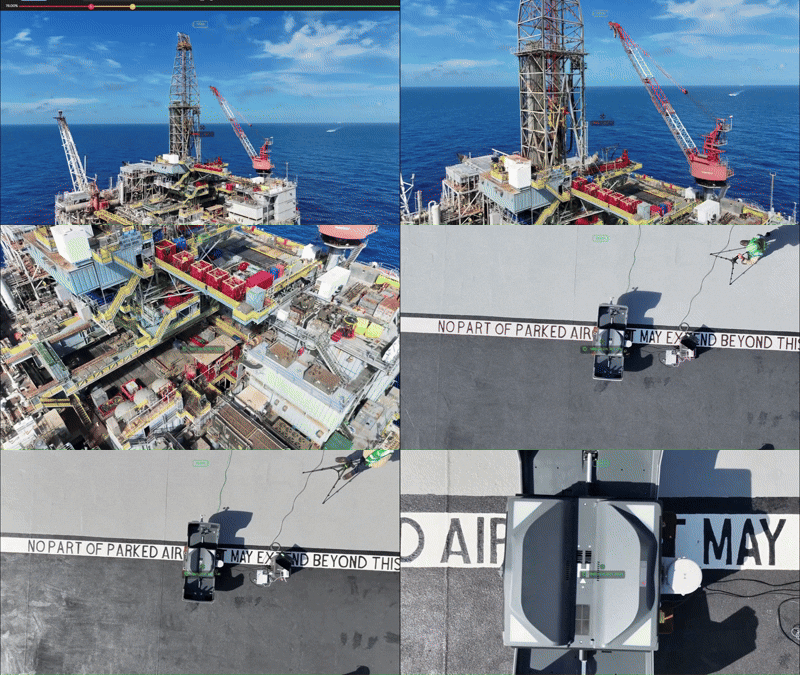
Shell has demonstrated drone-in-a-box operations from its Mars floating production unit, becoming the first operator in the region to secure FAA approval for self-approved offshore beyond-visual-line-of-sight flights. JPT Senior Technology Editor Jennifer Pallanich visited Shell Technology Center Houston to see the system in action.

SPE’s newly renamed Safety Technical Section expands the reach of human factors by integrating safety, risk management, and system resilience expertise while preserving dedicated leadership and technical focus.
-
 This study ascertains the capital expenditure and operating expenditure associated with the reuse of existing facilities, specifically regarding a carbon capture and storage project being prepared in South Korea.
-
SponsoredAdvance your career with the new Pipeline Engineering Program at the Technical University of Leoben, a 5-month course combining on-campus and online learning, integrating industry expertise, engineering practice, and future-ready skills for professionals in oil, gas, and emerging energy systems.
-
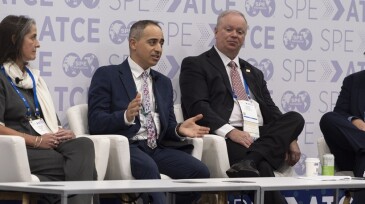
A resilience-based approach to safety was the focus of a panel of experts at the 2025 SPE Annual Technical Conference and Exhibition in Houston.
-
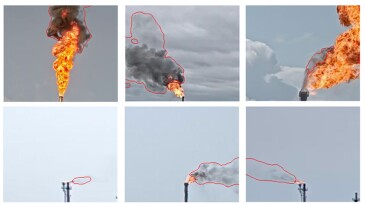
This paper focuses on developing a model that can be used in an automated, end-to-end flare-smoke detection, alert, and distribution-control solution that leverages existing flare closed-circuit television cameras at manufacturing facilities.
-
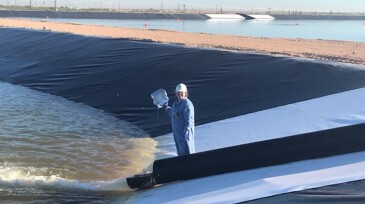
This paper presents a physics-informed machine learning method that enhances the accuracy of pressure transient analysis, predicting reservoir properties to enhance waste slurry injection and waste disposal.
-
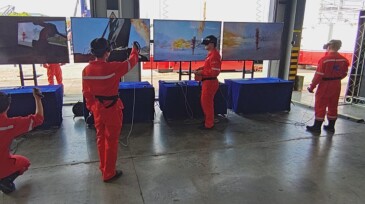
Through realistic simulations, virtual reality allows for an unprecedented level of immersion and interactivity that traditional training methods cannot offer.
-
Researchers with the National Energy Technology Laboratory showed that naturally occurring signals in underground fluids can serve as effective indicators of flow patterns between existing wellbores. Understanding these patterns can lead to increased efficiency and safety.
-
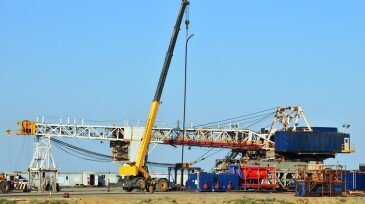
This paper explores the integration of human factors engineering principles into rig move planning to enhance safety in the oil and gas industry. It discusses the significance of considering human factors such as fatigue, stress, communication, and decision-making in rig move operations.
-
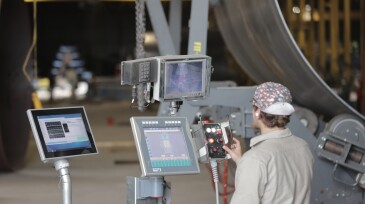
Short on skilled welders? For complex jobs like pressure-vessel seams, automation could be the key to keeping production safe, accurate, and on schedule.
-
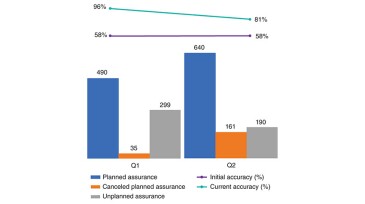
This paper describes a tool that complements predictive analytics by evaluating top health, safety, and environment risks and recommends risk-management-based assurance intervention.