Safety

The SPE Human Factors Technical Section has been officially renamed the SPE Safety Technical Section. The new name better reflects how safety is managed today across interconnected areas like human performance, risk management, and system resilience.

The company said its frequency of serious incidents was down at the end of the year from its levels at the end of 2024.

This paper presents a novel application of artificial intelligence in computer vision for automating blowout-preventer pressure-chart-data extraction, demonstrating significant efficiency gains and a high return on investment.
-
 On average, the American workplace is more dangerous than the Latvian, Czech, Slovakian, Greek, Portuguese, Spanish, Polish, Hungarian, or Estonian workplace. Considering that the United States has a much higher GDP per capita than all of these countries, this seems unlikely. Yet, it’s true.
 -
An improved occupational health and safety system comes into effect on 1 June to better protect Alberta workers and ensure they have the same rights as other Canadians.
-
Sleep deprivation is a workplace health concern that is often ignored. It can decrease productivity as well as be a frequent root cause for many safety incidents, accidents, and damages to property. Employers are often unaware of the effect sleep deprivation can have until a serious incident occurs.
-
Researchers have discovered that genes regulating important biological processes are incapable of adapting to new sleeping and eating patterns and that most of them stay tuned to their daytime biological clock rhythms.
-
When inactivity is largely the result of months and eventually years spent at a desk job or in meetings, could an employer face liability for any serious medical issues that ensue? A recent study from Philadelphia’s Drexel University concluded that—at least for US workplaces—the answer might be yes.
-
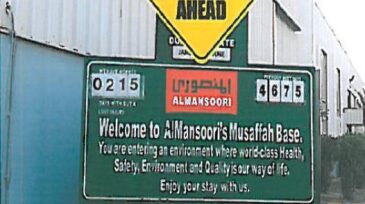
UAE company AlMansoori has implemented Happiness as a key business theme.
-
New research from DNV GL reveals that 46% of senior professionals in the oil and gas sector believe there has been underinvestment in inspection and maintenance of infrastructure and equipment in recent years.
-
The Norwegian Petroleum Safety Authority has completed its investigation of a fatal accident on 7 December 2017 on the Maersk Interceptor, where one person was killed and another seriously injured. Several breaches of the regulations have been identified.
-
The Lloyd's Register Safety Accelerator is designed to bring together technology companies and industry to test innovative digital solutions to critical safety and risk challenges.
-
Figures from a 2017 study on trends in risk level in the petroleum activity show progress for a number of risk indicators. But serious personal injuries are growing, while feedback on the working environment, the HSE climate and perceived risk is moving in the wrong direction.