Safety

The SPE Human Factors Technical Section has been officially renamed the SPE Safety Technical Section. The new name better reflects how safety is managed today across interconnected areas like human performance, risk management, and system resilience.

The company said its frequency of serious incidents was down at the end of the year from its levels at the end of 2024.

This paper examines how real-time monitoring can improve both incident prevention and emergency response in the oil and gas industry. Drawing from real-world examples and case studies, it provides practical strategies for implementing this technology effectively.
-
 The effects of Harvey are lingering for the operators in the Gulf of Mexico. Oil and gas shut-ins are fluctuating, but overall show slow improvement, according to the BSEE. As Harvey moves over the Ohio Valley in the next 72 hours, the cyclone aspect will diminish.
 -
A new NIOSH smartphone app can help workers avoid injuries due to manual lifting.
-
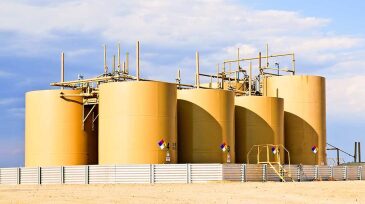
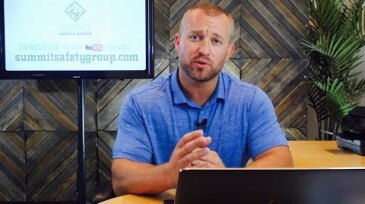
Measuring product in oilfield storage tanks can pose significant risks to workers if proper precautions are not taken. This video discusses the risks and ways they can be reduced to protect workers.
-
A group of Korean commercial divers have obtained their Health and Safety Executive (HSE) diving certification on the first ever Korean-language HSE diving course at The Underwater Centre in Fort William, Scotland.
-
The BSEE report shows that since yesterday, oil production has improved slightly, while gas production has decreased slightly in the Gulf of Mexico as a result of Hurricane/Tropical Storm Harvey’s ongoing effects.
-
Oil and Gas UK and Step Change in Safety announced the Offshore Safety Award winners on August 23.
-
Colorado Gov. John Hickenlooper has announced a 7-part plan to improve safety, with plugging of orphan wells at the top of the list.
-
These steps can help companies that are looking to digitize their paper-based safety audit programs, inspections, observations, work permit procedures, or other operational processes.
-
OSHA still has a lot of items on its regulatory agenda for 2017-2018, despite President Trump's plans to shrink the agency.
-
The use of eye PPE among workers who sustain an eye injury in the workplace remains low. This study looked at workers with eye injuries and evaluated their characteristics and outcomes.