Offshore/subsea systems

Industry forecasts point to increasing upstream expenditure and production, even as geopolitical volatility and smaller discoveries challenge project economics.

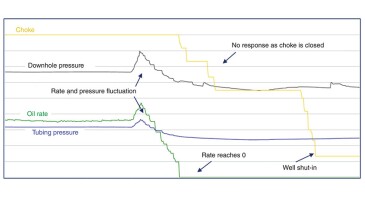
How OSRL, InterMoor, and Oceaneering adapted existing technologies into a method for landing a capping stack on a shallow-water well.

The Absheron gas field expansion will supply additional natural gas to Azerbaijan’s domestic market and support its export commitments to Turkey, allowing Baku to stay focused on meeting its gas export obligations to Europe.
-
 The authors of this paper discuss how intelligent completions in the Gulf of Mexico have allowed for increased production, reduction in operating expenses, enhanced overall reservoir recovery, and improved safety and environmental performance.
-
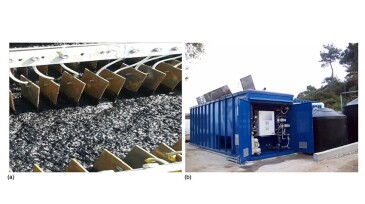
The paper aims to address the challenges and opportunities in managing produced water and its contaminants in the petroleum industry.
-
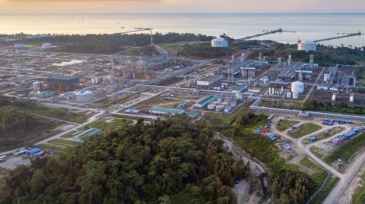
The plan calls for developing a gas field, CCUS, and onshore compression, with first production expected in 2028.
-
Operator also announces plans to deploy continuous, real-time detection equipment at all its operated upstream sites, including GranMorgu, by the end of 2025.
-
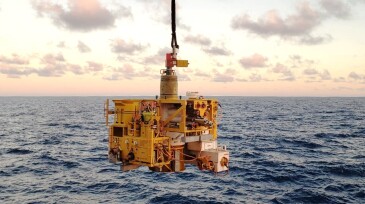
FPSO to be connected to high-pressure subsea separation technology pilot project.
-
Contactor will provide EPCI work related to the subsea portion of the 20K Gulf of Mexico development.
-
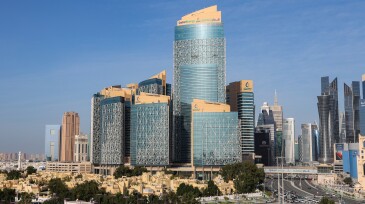
By adding this latest EPCI contract for pipelines and cables to earlier awards, McDermott is now responsible for all offshore infrastructure associated with Qatar's massive North Field Expansion.
-
This work presents the results of several failure analyses of gas lift valves retrieved from subsea wells that were unable to prevent backflow from tubing to annulus
-
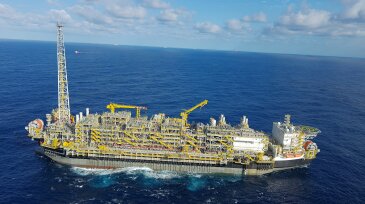
The field's massive FPSO is anchored in place and on schedule for first oil prior to year-end.
-
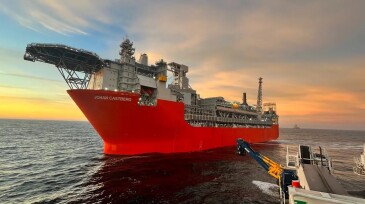
Subsea tieback in the Central North Sea expected to produce 20,000 BOED at peak, boosting output to Alvheim FPSO.