Offshore/subsea systems

This paper presents a flexible, highly cost- and energy-efficient method of gas separation and CO₂ capture from many different gas mixtures with a large range of CO₂ concentrations.

This work introduces a novel predictive methodology combining historical metocean data with real-time riser analysis for shallow water dynamically positioned rig operations.

This paper documents the testing, integration, and field deployment of a metal expandable packer used as an openhole toe isolation plug in a deepwater well under high-pressure, high-temperature conditions.
-
 In a $60 to $70 oil environment, the subsea market is poised to grow around 7% annually up to 2025. But a significant portion of this activity is at risk if the price of Brent crude falls to $50 per barrel.
 -
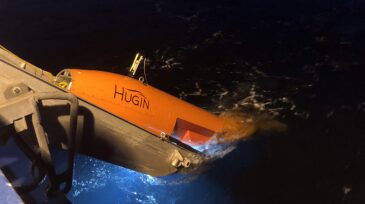
The subsea operations company said its most recent campaign is the first fully unmanned offshore pipeline inspection completed “over the horizon,” surveying up to 100 km from the shore.
-
The subsea tieback is expected to start up in 2021. This is Shell’s second major development on a tieback in the US Gulf of Mexico, following Kaikias’ startup in May.
-
Subsea completions for gathering hydrocarbons from subsea wells have demonstrated both environmental and economic benefits for offshore oil and gas projects. Barriers and opportunities for expanded use of subsea completions involve both technological and regulatory issues.
-
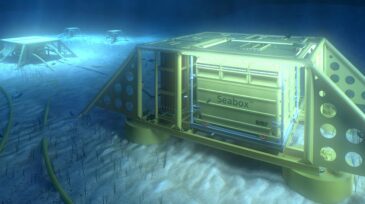
The complete paper highlights elements of the technical development and an overview of the primary building blocks of the system, and presents in detail some of the challenges in developing, designing, and testing the control system.
-
The Neptune-operated project is on track to start drilling later this year, with first oil scheduled for the end of 2020. The Norwegian North Sea field is expected to produce 30,000 BOE/D at its peak.
-
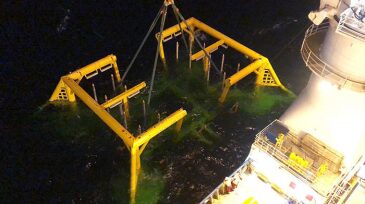
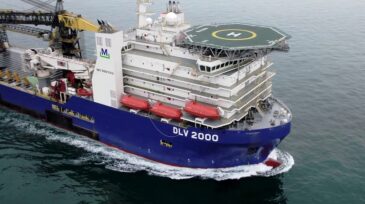
Completion comes despite two cyclones disrupting the project area during installation, McDermott said.
-
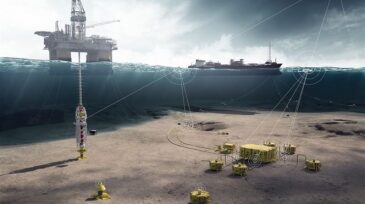
Operators are looking for ways to better handle water coming from subsea wells, which is typically treated at topside facilities. Subsea separation systems are not equipped to discharge water back into the reservoir, so how do companies close the gaps?
-
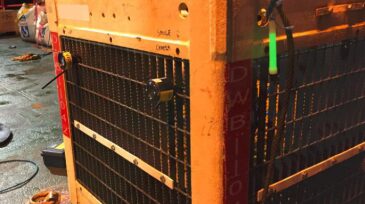
Ashtead Technology has acquired Louisiana-based subsea equipment rental and cutting services specialist, Aqua-Tech Solutions, as part of the company’s international growth plans in the US.
-
Cutting-edge computing and subsea wireless camera technology deployed on a pipeline construction project enhanced diver safety and generated significant cost savings by avoiding the need for additional subsea vessels.