Offshore/subsea systems

This paper presents a flexible, highly cost- and energy-efficient method of gas separation and CO₂ capture from many different gas mixtures with a large range of CO₂ concentrations.

This work introduces a novel predictive methodology combining historical metocean data with real-time riser analysis for shallow water dynamically positioned rig operations.

This paper documents the testing, integration, and field deployment of a metal expandable packer used as an openhole toe isolation plug in a deepwater well under high-pressure, high-temperature conditions.
-
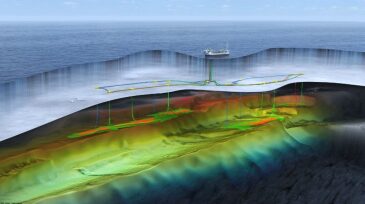
 Statoil has submitted a long-awaited development plan for what will become Norway’s northernmost development.
 -
Obstacles remain to keeping offshore development competitive with its onshore counterpart. Can the industry advance technology at a pace where the subsea segment will see a resurgence?
-
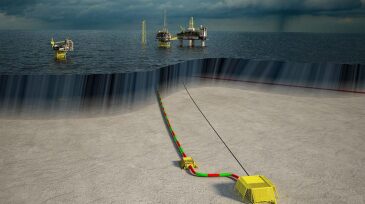
McDermott announced a letter of award for a contract from Reliance Industries for the deepwater KG-D6 subsea field development in the Krishna Godavari Basin.
-
Since the Macondo disaster, industry publications have discussed the equipment, connections, and interfaces needed for capping and containing a blowing subsea well, but they give little insight into developing a well-specific subsea capping contingency plan.
-
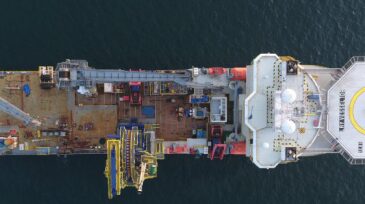
Baku Shipyard completed the sea trials of BP's subsea construction vessel Khankendi, which is being constructed for the Shah Deniz Stage 2 project.
-
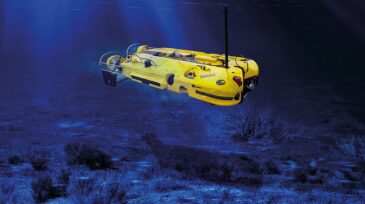
WiSub will lead a consortium with Statoil, Kongsberg, Saab, and other companies and universities to develop a standardized interface for AUV docking with subsea structures, as well as bi-directional power transfer to help charge sensor networks.
-
Emphasis on identifying more-efficient subsea boosting solutions has led to a number of initiatives in the industry.
-
This study examines how subsea processing (SSP) can develop into an important enabling technology for future ultradeepwater-field developments and long-distance tiebacks.
-
The costs of subsea boosting systems have been reduced by adopting three primary strategies: simplifying the system design to reduce weight and cost, simplifying the installation and intervention, and reducing complexity and risk.
-
As the design methodologies evolve for arctic pipelines, strudel scour, permafrost thaw settlement, and ice gouging need to be factored in with environmental and geotechnical data, limit states, and trenching and backfilling activities.