Offshore/subsea systems

This paper presents a flexible, highly cost- and energy-efficient method of gas separation and CO₂ capture from many different gas mixtures with a large range of CO₂ concentrations.

This work introduces a novel predictive methodology combining historical metocean data with real-time riser analysis for shallow water dynamically positioned rig operations.

This paper documents the testing, integration, and field deployment of a metal expandable packer used as an openhole toe isolation plug in a deepwater well under high-pressure, high-temperature conditions.
-
 This paper analyzes the various selection methods of integrated template structures (ITSs) for use in the Arctic environment. Operation and installation of subsea modules in the Barents Sea are also analyzed in this paper.
 -
As production from mature basins onshore and in shallow water declines, the development of deepwater reserves has become vital. Consequently, production and Capex are expected to rise.
-
Linhua4-1 was China’s first tieback subsea development project. To develop this marginal oil field, a number of technical challenges were overcome through a series of new technologies, and their successful development and implementation.
-
As offshore development moves into deeper waters, harsh environments, and longer distances, the economic and practical advantages of moving as many components to the seafloor as possible has become a driving factor in technology development.
-
There is an increasing need to understand the strength and durability of subsea wellheads and conductors.
-
This paper demonstrates a design methodology that combines the API and American Society of Mechanical Engineers (ASME) Boiler and Pressure Vessels Code (BPVC) for designing an example subsea pressure containing component for HP/HT conditions greater than 15,000 psi and 250°F.
-
Over the next decade, the number of electrically powered subsea systems in operation around the world will increase as companies adopt new technologies to produce oil and gas offshore more efficiently.
-
The world's first full-scale subsea gas compression system is the final stages of construction and is on schedule to be installed in the Åsgard gas field offshore Norway by year's end.
-
This paper focuses on the applicability of subsea processing technology employing multiphase pumps to develop marginal fields commercially. Analytical methods were used to evaluate the pumps, and the results were validated through case studies in specific fields.
-
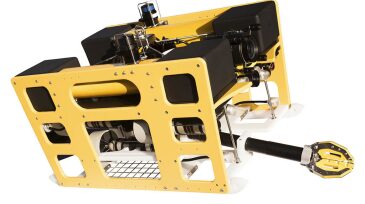
Expenditure is forecast to increase more than operational days because of the move toward deeper waters and more complicated offshore field development programs, which demand higher specification, higher cost ROVs.