

-
 Modeling solubility trapping at reservoir scale remains a key challenge for carbon storage projects. This study introduces a novel sub-grid convective mixing model, implemented in the Open Porous Media Flow simulator and applied to the SPE11 benchmark, that enables accurate prediction of carbon dioxide dissolution trapping in geological storage using computationally e…
 -
Current classifications often do not capture the complexity of autonomy in drilling systems. By integrating concepts from aerospace, control theory, and other high-risk industries, this study presents a quantitative framework for systematically assessing and comparing levels of drilling autonomy.
-
This study demonstrates how routinely acquired downhole temperature data allows for direct estimation of fluid saturations and delivers more accurate reservoir volume assessments, particularly in aquifer-supported systems.
-
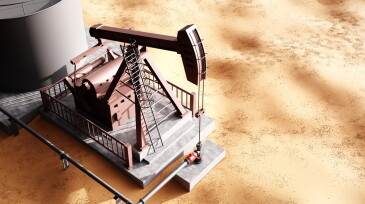
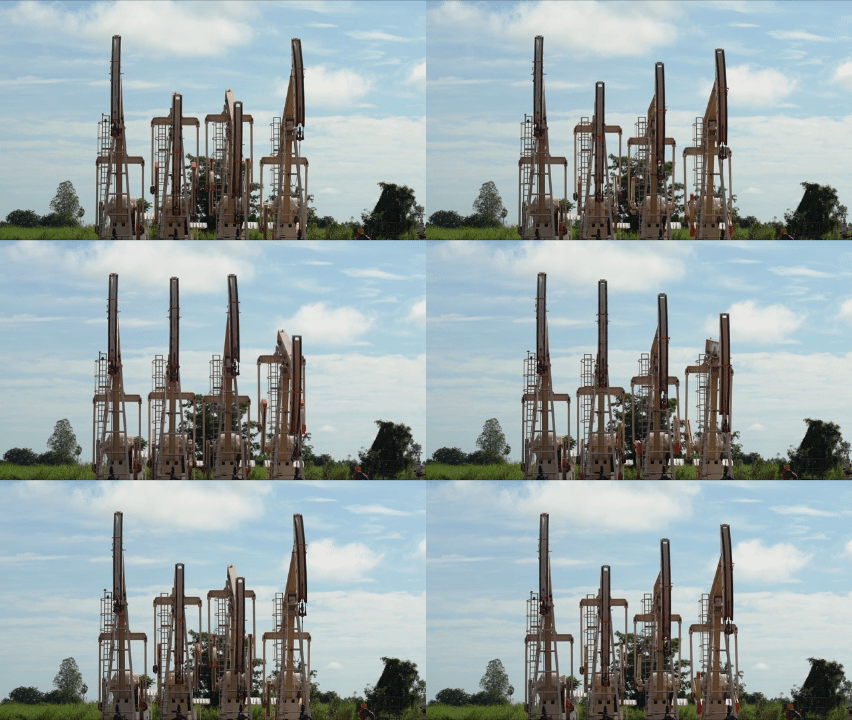
This paper proposes a novel, real-time pump failure prediction method using machine learning with scaled load ratio to accurately predict pump failures using only surface pump load data.
-
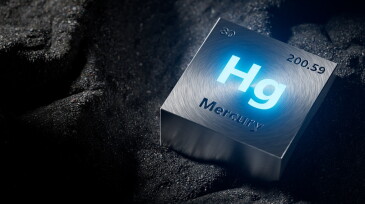
A laboratory research study evaluates several different chemical injection concepts for the removal of elemental mercury from multiphase flow.
-
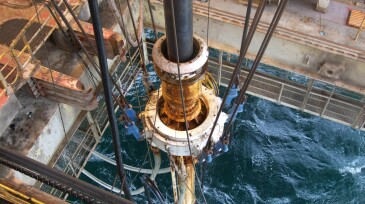
This study explores the use of autoencoder models with convolutional neural networks to present a framework and prototype for early and accurate kick detection during offshore oilwell drilling.
-
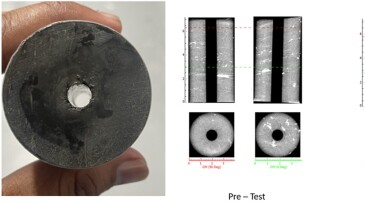
An investigative study examines the use of creeping shale formations as a more durable alternative to conventional cement barriers in carbon dioxide storage wells, potentially enabling safer long-term underground carbon storage.
-
Thermal stimulation can accelerate the formation of shale creep barriers for long-term well integrity but only within a carefully controlled temperature window. This study identifies optimal thermal conditions for maximizing barrier performance while avoiding thermally induced shale damage.
-
A multidimensional Wiener process approach predicts casing remaining useful life, enabling safe, cost-effective well life extension and repurposing for carbon dioxide injection, CCS, and geothermal applications.
-
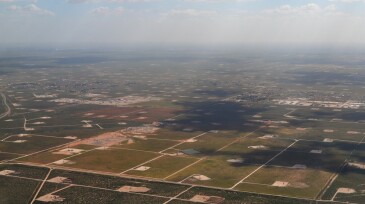
This study reveals how production-induced depletion and geomechanical stress changes influence child-well performance in the Midland Basin, combining coupled simulations and machine learning to guide optimal well spacing, timing, and placement for infill development.



Page 1 of 7