Testing page for app
-
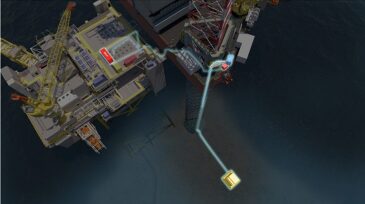
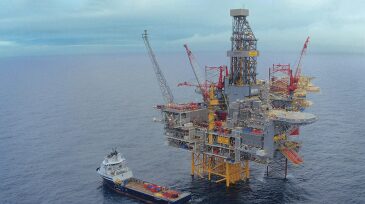
 A subsea water-treatment system designed to leverage space availability, steady temperatures, lower bacteria levels, and other natural benefits of the seabed environment was successfully installed during pilot testing at the Ekofisk field offshore Norway.
 -
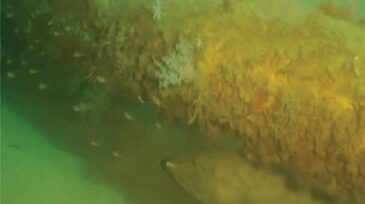
The complete paper describes the potential global scientific value of video and other data collected by ROVs.
-
This paper presents a methodology that provides the upstream industry with a robust approach to petroleum inventory management.
-
Novel development work continues to focus on improving preventative maintenance and risk-based inspections.
-
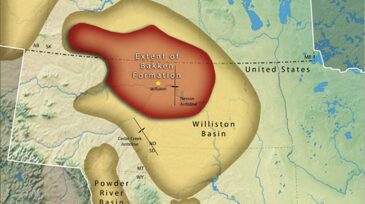
Multistage horizontal well designs were first implemented in the Bakken in 2007. Since then, more than 12,000 wells have been completed in either the Middle Bakken or Three Forks zones.
-
“To collect, exchange, and disseminate technical knowledge” are not only the first seven words of SPE’s mission, but also what our society has excelled at over its storied history.
-
US crude oil production will reach a record level of 12.29 million B/D in 2019, increasing faster than expected both this year and in 2020, according to the latest US Energy Information Administration (EIA) forecast. Output will rise to 13.29 million B/D next year.
-
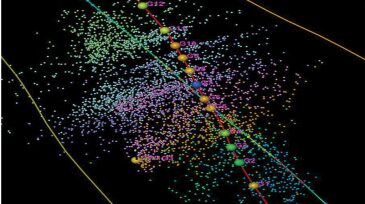
ConocoPhillips’ one-of-a-kind test site in the Eagle Ford studied core, image logs, proppant tracer, distributed temperature sensing, distributed acoustic sensing, and pressure, which shows that not all hydraulic fractures are created equal.
-
Rather than waiting for a dominant player to emerge, the oil and gas industry is at a point in its journey with blockchain where it makes sense to actively start working toward common architectures and standards in the blockchain domain.
-
A proving ground for the use of digital twins has emerged in the North Sea. There, operators Total, Aker BP, and Shell have each developed and deployed twins that they expect to pay big dividends.