Testing page for app
-
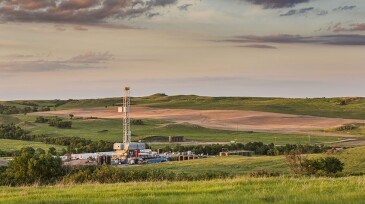
 Over the past 75 years, drillers have gone from the Stone Age to the Space Age when it comes to technological improvements in well construction methods. Yesterday’s crude wood and iron drilling techniques have given way to today’s video game-inspired controls and robotic assistance—much of which migrated from offshore applications. These advancements have driven costs…
 -
In this vodcast and column, Olivier Houzé explores the polarized views among SPE's members about the energy transition, highlighting the geographic and demographic differences. He examines historical perspectives on energy transitions, evaluates future scenarios, and discusses how SPE can adapt its mission to stay relevant.
-
This paper delves into the evolving landscape of drilling automation, emphasizing the imperative for these systems to go beyond novelty and deliver quantifiable financial value.
-
This work presents the results of several failure analyses of gas lift valves retrieved from subsea wells that were unable to prevent backflow from tubing to annulus
-
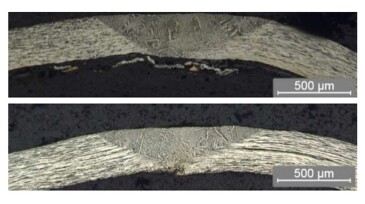
This paper describes laboratory tests simulating varying sour-well and extended galvanic corrosion conditions to determine the adequacy of selected armor metallurgies in downhole corrosive environments.
-
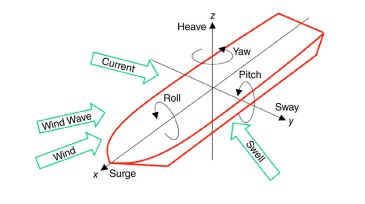
This paper describes a new application that leverages advanced machine-learning techniques in conjunction with metocean forecasts to predict vessel motions and thruster loads.
-
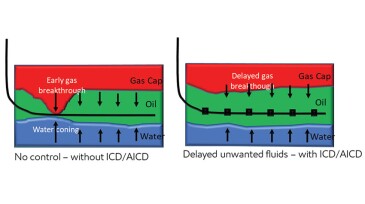
This paper provides insight into designing advanced well completions offshore West Africa with autonomous inflow control devices that enable maximizing the producing life of the wells under various challenging reservoir conditions.
-
The industry’s vast untapped data resources have the potential to change how our industry works—if we can piece it together.
-
This paper presents the processes of identifying production enhancement opportunities, as well as the methodology used to identify underperforming candidates and analyze well-integrity issues, in a brownfield offshore Malaysia.
-
This paper describes an optimized multizone single-trip gravel-pack system developed and implemented successfully in Brunei.